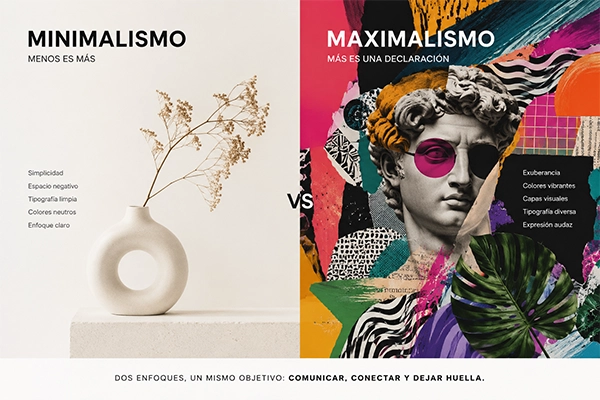
Minimalism in logo design has gained significant popularity in recent years, and its influence on brand perception is undeniable. The minimalist philosophy is built on the idea that “less is more,” meaning that a simplified design can often be more effective and memorable than a complex one. This approach has become a standard for brands looking to convey modernity, elegance, and clarity.
Simplicity and Effectiveness
A minimalist logo relies on simple shapes, clean lines, and a limited color palette to create a visual that is easy to recognize and remember. By removing unnecessary elements, minimalism allows the core aspects of the logo to stand out—making it easier for audiences to understand and connect with the brand. This simplicity also enhances versatility, enabling the logo to perform well across different formats and sizes without losing its visual impact.
Timeless Appeal
Another key advantage of minimalism is its ability to create timeless logos. Unlike overly complex designs that may be influenced by short-lived trends, minimalist logos tend to have lasting appeal, allowing them to remain relevant over time. This is especially important in a constantly evolving market, where brands need to maintain a consistent and trustworthy image.
Brand Perception
Minimalism also shapes how a brand is perceived. A clean and elegant logo can communicate sophistication, professionalism, and modernity. This is particularly valuable for brands aiming to position themselves as innovative or appeal to a more design-conscious audience. At the same time, the simplicity of a minimalist logo can evoke a sense of transparency and honesty—qualities that are increasingly important to today’s consumers.
The Challenges of Minimalism
However, designing a truly effective minimalist logo is far from simple. It requires a deep understanding of the brand’s identity and the ability to distill it into a visual form that is both simple and meaningful. The challenge lies in striking the right balance between simplicity and distinctiveness—ensuring the logo doesn’t become so generic that it loses its ability to differentiate the brand from its competitors.