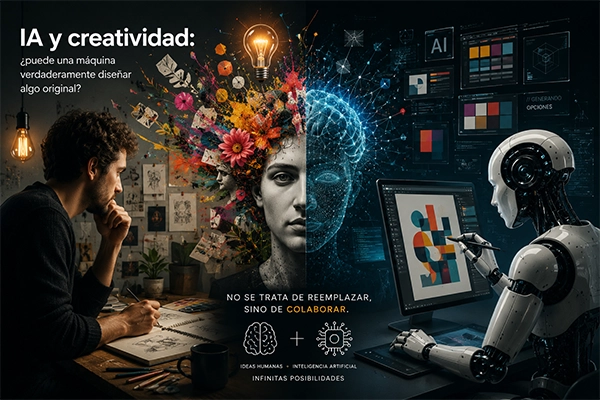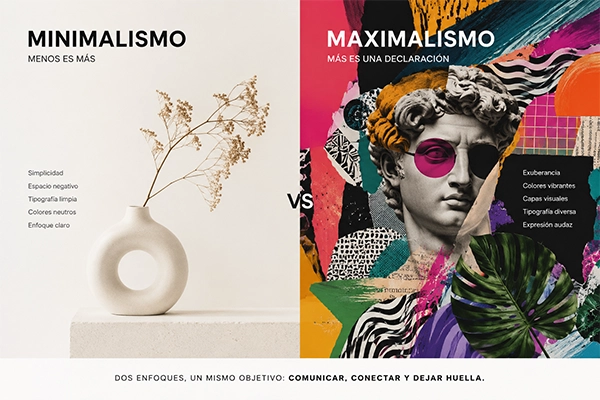
Visual thinking has become an essential tool for anyone looking to communicate complex ideas in a clear and memorable way. In an era of constant information overload, graphics, diagrams, and visualizations help simplify the abstract, improve understanding, and enhance message retention. Graphic design plays a key role here—it translates ideas into images that connect with the audience’s logic, emotions, and intuition.
What Is Visual Thinking?
Visual thinking is a methodology that combines creative thinking with visual representation to express ideas. Through simple drawings, diagrams, mind maps, or infographics, it transforms dense information into more accessible visual formats. It’s not about illustrating for the sake of it—it’s about structuring thought and making communication easier, especially in educational, corporate, or strategic design contexts.
Why Visual Thinking Matters in Graphic Design
- Improves understanding: People process visual information up to 60,000 times faster than text. Visual design helps explain processes, relationships, and complex concepts more clearly.
- Supports decision-making: Visualizing data or scenarios makes it easier to evaluate options and anticipate outcomes.
- Boosts creativity: Visual frameworks encourage non-linear thinking, leading to new connections and ideas.
- Enhances collaboration: Multidisciplinary teams can share ideas through visuals, reducing misunderstandings and encouraging co-creation.
Key Tools and Resources
- Mind maps: Useful for organizing ideas hierarchically and exploring connections
- Sketchnotes: Visual notes that combine text and drawing to capture and explain information
- Infographics: Summarize large amounts of data or processes into a single, understandable visual
- Storyboards: Narrative tools that map out sequences or user experiences
- Flowcharts: Represent steps or decisions within a process
How to Apply Visual Thinking in Graphic Design
- Define the core message: Identify the key idea you want to communicate before designing.
- Select visual elements: Choose icons, symbols, or visual metaphors that represent your concepts.
- Use visual hierarchy: Leverage size, color, and positioning to guide how the graphic is read.
- Simplify: Avoid visual clutter. The goal is clarity, not complexity.
- Test with users: Validate whether the graphic communicates what you intend before publishing or using it.
Strong Examples of Visual Thinking
- Airbnb: Uses storyboards in presentations to explain user experiences
- Google: Communicates internal processes through diagrams and visual flows
- TED Talks: Many presentations include sketchnotes or animations to reinforce key ideas
Conclusion
Visual thinking is a powerful skill that every graphic designer should develop. Beyond aesthetics, its true value lies in its ability to communicate what others struggle to explain. In a world saturated with words, the ideas that are drawn—and understood—are the ones that last. Thinking visually is not just a technique; it’s a new way of seeing, creating, and connecting.