In the digital age—where algorithms generate everything from text to music—artificial intelligence (AI) has also made a strong impact on brand design. One of the most discussed applications is generative AI in branding: systems capable of creating logos, color palettes, typography, and complete visual identities based on specific data and inputs. But can AI truly define a brand’s visual identity? In this article, we explore its capabilities, limitations, and the role of the human designer in this new landscape.
What Is Generative AI in Branding?
Generative AI uses neural networks to create visual content autonomously. Tools like Looka, Tailor Brands, or Wix Logo Maker can generate visual identities in minutes. These platforms analyze user preferences, industry type, keywords, and desired brand values to produce visual proposals that follow predefined design rules.
Advantages of Using Generative AI for Branding
- Speed and accessibility: Creating a visual identity with a designer can take hours or days. With AI, results are nearly instant.
- Lower cost: These platforms are more accessible for entrepreneurs with limited budgets.
- Visual exploration: AI allows users to explore multiple styles, colors, and structures quickly, supporting early-stage ideation.
- Automated consistency: AI ensures visual elements remain consistent across different formats.
Limitations and Risks
- Lack of conceptual depth: While AI can replicate styles, it does not understand a brand’s purpose, story, or culture.
- Generic outcomes: Many AI-generated results rely on repeated templates, reducing authenticity and differentiation.
- Weak cultural adaptation: AI still struggles to accurately capture cultural, local, and symbolic nuances in visual language.
- Lack of strategic vision: An AI-generated logo rarely aligns with a broader brand strategy or cohesive narrative.
So, AI or Human Designer?
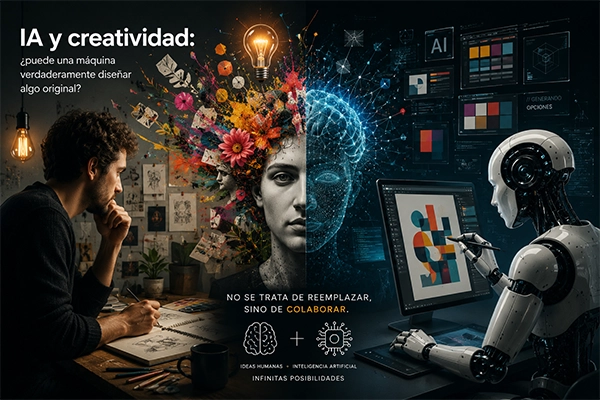
The best solution lies in collaboration. AI can act as a creative assistant, speeding up ideation and production, but strategic vision, storytelling, and cultural sensitivity must come from a human designer. This combination leads to a visual identity that not only works visually but also connects emotionally and strategically with its audience.
Recommended Use Cases
- Startups seeking a fast initial visual identity
- Personal or experimental projects
- Early stages of visual exploration
- Prototyping ideas for presentations or pitch decks
Conclusion
Generative AI has democratized access to visual branding, but it does not replace the critical and strategic perspective of a designer. Its optimal use lies in complementing human work—automating technical tasks so designers can focus on what truly matters: intention, storytelling, and human connection. In the near future, we will see brands co-created by humans and machines, where technology enhances talent but does not replace it.