
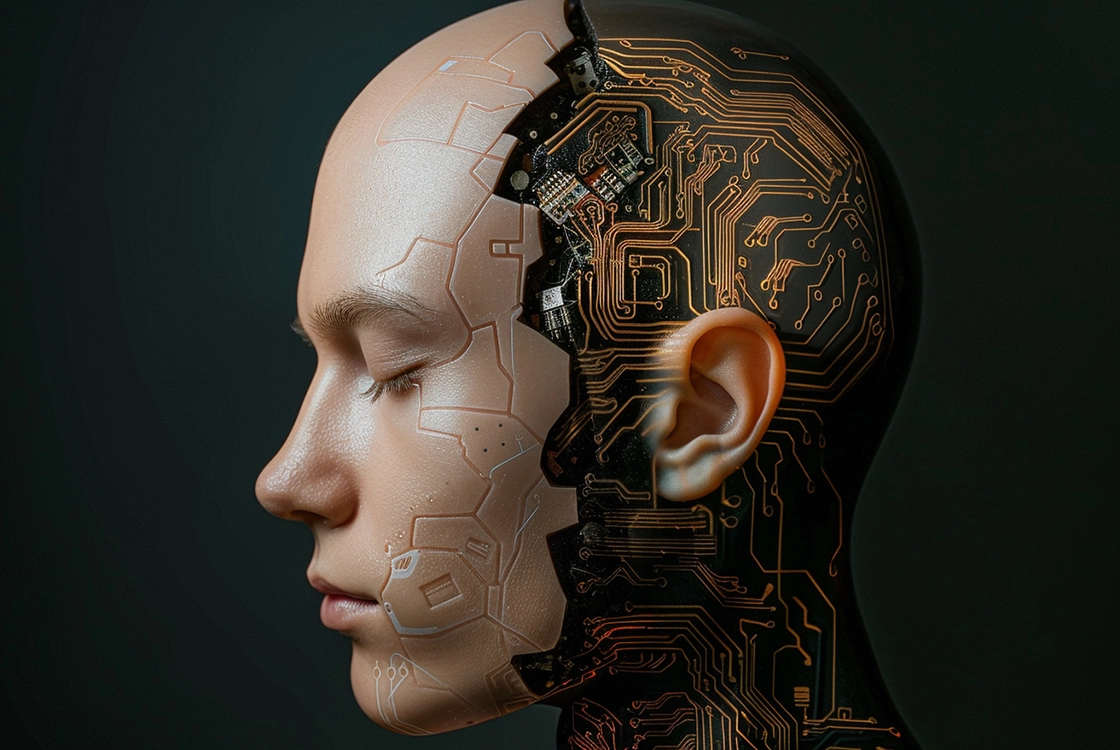
Artificial intelligence (AI) is transforming graphic design in 2024, introducing new tools and methodologies that are reshaping how creatives approach their work. AI-driven trends are enabling designers to explore new creative territories, streamline workflows, and enhance overall efficiency.
Automation in Creative Processes
One of AI’s biggest contributions is the automation of repetitive tasks, allowing designers to focus on more strategic and creative aspects of their work. AI-powered tools—such as image generators and color algorithms—accelerate the creation of patterns, typography, and compositions, boosting productivity without compromising creative quality.
Generative Design
Generative design is one of the key trends in 2024. Through AI, designers can automatically produce multiple variations of a design based on predefined parameters such as color, form, or structure. This not only expands creative possibilities but also speeds up the design and prototyping process.
Mass Personalization
Mass personalization is another major AI-driven trend in 2024. Brands can use AI algorithms to create highly customized design experiences tailored to individual user preferences and behaviors. This leads to more relevant and meaningful visual communication, as interfaces adapt to each user’s specific tastes.
AI in Branding and Logo Design
AI tools are also redefining branding and logo creation. Advanced algorithms allow companies to generate customized logos in minutes, using patterns and visual elements aligned with brand identity and user data. This has democratized access to high-quality design solutions.
AI and Inclusive Design
In 2024, AI is also contributing to more inclusive design practices by considering a broader and more diverse audience. AI can analyze how different groups interact with visual elements and adjust designs to improve accessibility for people with disabilities or varying cultural preferences.
Conclusion
In summary, AI is reshaping graphic design in 2024—from automating creative processes to enabling mass personalization and inclusive design. Designers who embrace these tools will be able to create richer, more tailored visual experiences while increasing both efficiency and creativity.


