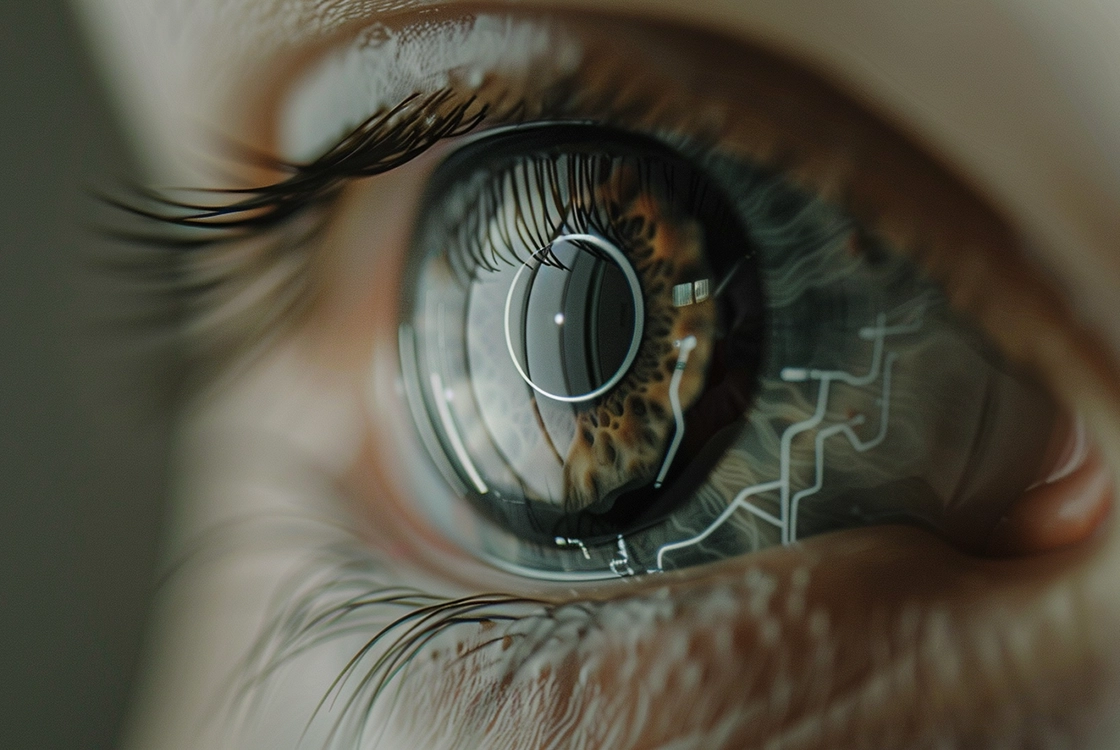
Artificial intelligence (AI) is driving a revolution in graphic design, fundamentally transforming the way designers work. New AI-powered tools and techniques allow for the automation of repetitive tasks, optimization of workflows, and expansion of creative capabilities.
New AI-Powered Tools
AI has introduced advanced tools that automate tasks such as image editing, generative design creation, and color manipulation. These tools enable designers to reduce time spent on manual work and focus more on creative development.
Generative Design and Automatic Variations
AI platforms can automatically generate multiple design variations in seconds based on predefined parameters. This approach allows designers to experiment with new ideas more quickly and efficiently, enriching the creative process.
Transformation of the Creative Industry
The implementation of AI is redefining the role of graphic designers. Professionals now have access to predictive tools that analyze data and trends, offering more precise and tailored solutions for clients. Additionally, AI is driving personalization, enabling more immersive and user-focused experiences.
Integration with UX/UI Design
AI is not only impacting static graphic creation but also transforming user interface (UI) and user experience (UX) design. By analyzing user behavior, designers can adjust projects in real time to improve navigation and engagement.
Challenges and Opportunities
While AI has made designers’ work more efficient, it also presents challenges. The reliance on automated tools raises questions about originality and the role of human creativity. However, AI also offers opportunities to explore new design frontiers, creating a more dynamic and collaborative environment.
Conclusion
Artificial intelligence is reshaping the graphic design industry by streamlining processes, unlocking new creative possibilities, and enhancing personalization. Although it presents challenges, its impact is undeniable and will continue to evolve in the coming years.