
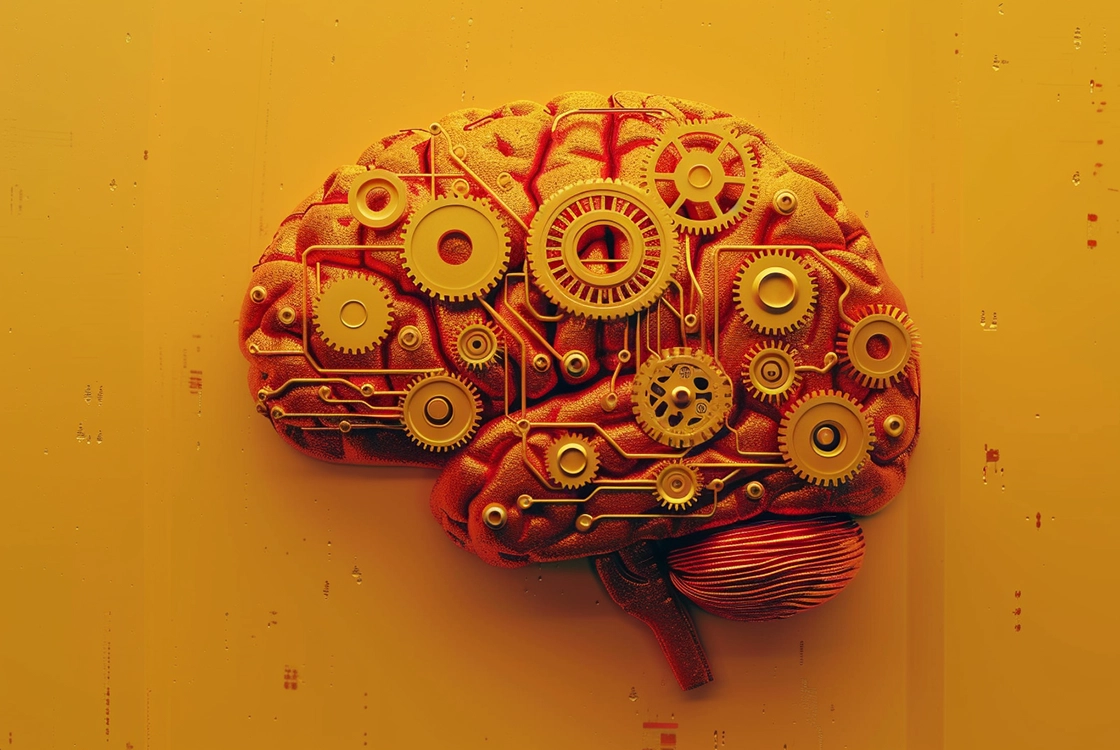
$Artificial intelligence (AI) is transforming graphic design through automation, personalization, and optimization of creative processes. This technology is reshaping how designers work—enabling greater efficiency while also raising important questions about originality and the role of human designers in an increasingly automated world.
Automation of Repetitive Tasks
One of AI’s most significant impacts on graphic design is the automation of technical and repetitive tasks, such as color correction, image editing, and pattern generation. This allows designers to focus more on conceptual thinking and creative development. However, it also introduces challenges related to technological dependency and reduced manual involvement.
Generative Design and Rapid Iteration
AI-driven algorithms can generate design variations based on predefined parameters, significantly accelerating the iteration process. Designers can now produce multiple versions of a concept in minutes—saving time and resources. At the same time, this raises questions about the designer’s role in making final creative decisions.
Impact on Design Professionals
The rise of AI presents both opportunities and concerns for designers. On one hand, those who adopt these tools can increase productivity and explore new creative frontiers. On the other, there is concern that AI may replace certain tasks traditionally performed by human designers, potentially affecting job opportunities within the industry.
Redefining the Designer’s Role
As AI continues to evolve, the role of the graphic designer is shifting. Designers are becoming orchestrators of technology—guiding and overseeing AI tools to ensure that final outcomes align with the client’s creative and emotional objectives.
Innovation and Creativity
AI is also driving new levels of creativity in graphic design. AI-powered tools allow designers to explore combinations of shapes, colors, and styles that would have been difficult or impossible with traditional methods. However, the boundary between human-created and machine-generated design is becoming increasingly blurred.
Conclusion
In summary, artificial intelligence is having a profound impact on graphic design—bringing opportunities for automation and innovation, while also introducing challenges for industry professionals.

