
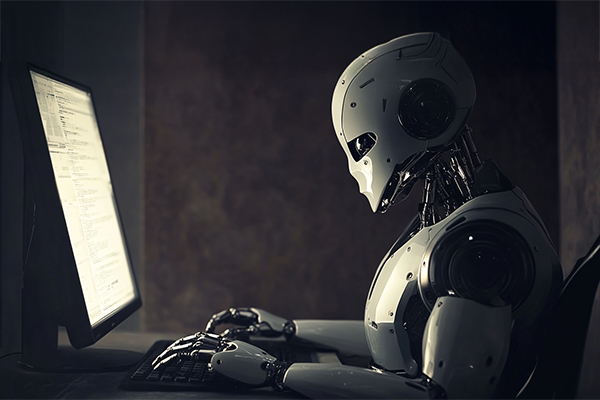
The rise of artificial intelligence in the design world has sparked an unavoidable debate: can AI replace designers? This question—both provocative and complex—requires a deeper perspective beyond technology.
In this article, we explore the topic from a professional standpoint, considering human value, industry evolution, and the future of design.
What AI does well
- Automates repetitive tasks: resizing assets, generating variations, removing backgrounds, creating mockups
- Speeds up production: delivers quick visual results for prototypes and testing
- Suggests ideas and concepts: generates visuals that can inspire new creative directions
What AI can’t (yet) do
- Understand human context: it doesn’t live culture, history, or real user environments
- Have creative intention: it lacks emotion, personal narrative, and deep symbolic interpretation
- Solve strategic problems: design goes beyond visuals—it’s about communication and functional thinking
The new role of the designer
Rather than disappearing, the designer’s role is evolving into a more strategic and multidisciplinary position:
- Integrates AI tools into their workflow
- Curates, interprets, and refines automated outputs
- Becomes a creative director of machines
Design and intuition
Effective design is rooted in deep user understanding, empathy, and lateral thinking. Intuition, aesthetic sensitivity, and storytelling remain inherently human qualities.
Conclusion
AI is not a threat to designers—it’s a tool that amplifies their impact. As with past technological revolutions, those who adapt, learn, and lead will thrive.
The future of design is collaborative: humans and artificial intelligence working together.


