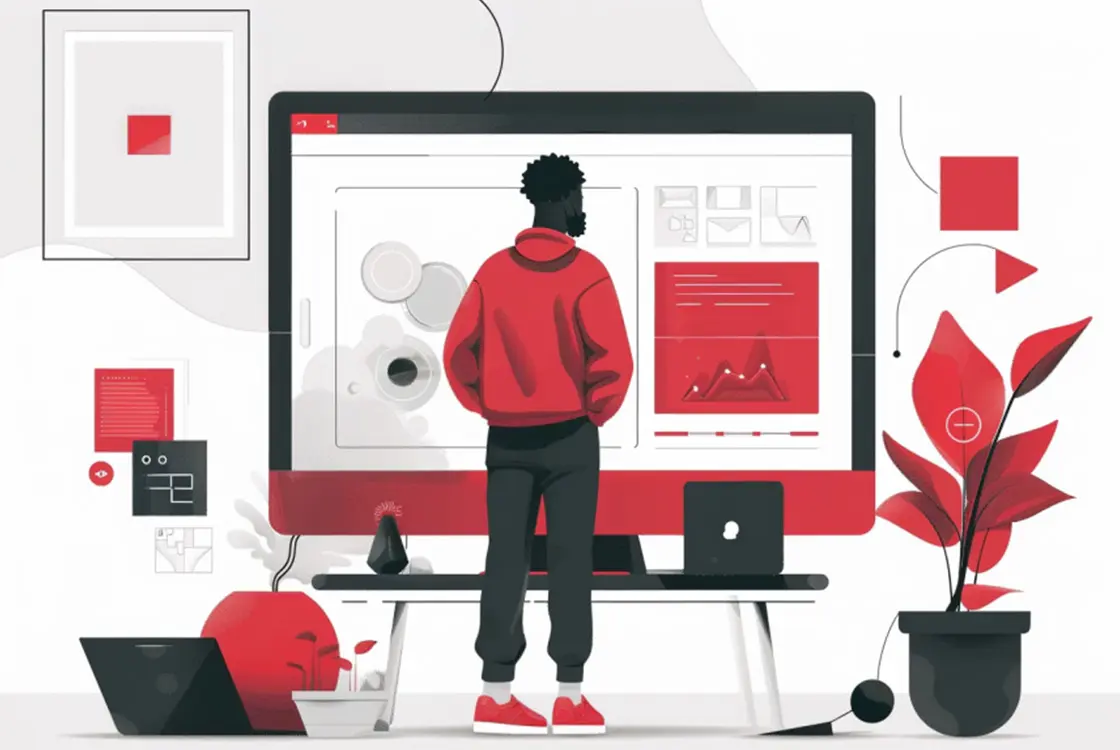
Effective web design requires a balance between functionality and aesthetics. While functionality ensures a site is easy to use and efficient, aesthetics make it visually appealing and memorable. Achieving this balance is essential to creating a user experience that not only meets business goals but also delights visitors.
Functionality as the Foundation
Functionality is the foundation of any successful website design. A site may look visually impressive, but if it doesn’t function properly, users will quickly leave. Functionality means the site is intuitive, easy to navigate, and fulfills its primary purpose—whether that’s informing, selling products, or generating leads. This includes a clear navigation structure, fast load times, and a responsive design that ensures the site performs well across all devices.
Aesthetics as a Complement
While functionality is essential, aesthetics play a crucial role in creating an emotional connection with users. An attractive website can create a strong first impression, increasing the likelihood that visitors will stay and explore. Aesthetics include the use of color, typography, imagery, and whitespace to build a cohesive visual experience that reflects the brand’s identity. A well-designed interface can also communicate professionalism, trust, and creativity—key factors in building user confidence.
The Balance Between Form and Function
Combining functionality and aesthetics effectively requires a balanced approach. Every visual element should serve a functional purpose. For example, using contrasting colors can improve text readability, while well-chosen typography enhances clarity. Images should not only be visually appealing but also relevant and supportive of the content. Additionally, the design should guide users intuitively through the site, using visual cues to highlight calls to action (CTAs) and other key areas.
User-Centered Design
A user-centered approach is essential to achieving the right balance between functionality and aesthetics. This means designing with the users’ needs, expectations, and behaviors in mind. Usability testing and user feedback are valuable tools for identifying areas of improvement and refining the design. A website that successfully balances form and function will not only attract visitors but also retain them and convert them into loyal customers.
Adaptability and Evolution
Finally, it’s important to remember that the balance between functionality and aesthetics is not static. As technology and user expectations evolve, so should your website. Staying open to iteration and continuous improvement ensures that your site remains relevant, effective, and engaging over time.