Hello designers and creative minds! Graphic design is constantly evolving, and artificial intelligence (AI) is one of the key forces driving this transformation. AI is reshaping how designers work—opening up new possibilities while also introducing new challenges.
As we move into the future, it’s essential to understand how AI is influencing graphic design and what it means for creativity. Let’s explore how AI and creativity intersect to shape the future of design.
Artificial Intelligence in Graphic Design: Threat or Opportunity?
The rise of AI in graphic design has sparked debate about its impact on creativity. Some fear that AI could replace human designers, while others see it as an opportunity to enhance both creativity and efficiency. The key lies in how we choose to use it—and in understanding its full potential.
AI as a Creative Tool
Rather than viewing AI as a threat, many designers are embracing it as a powerful creative tool. AI can automate repetitive and time-consuming tasks, allowing designers to focus on the more creative aspects of their work.
It can also generate content, inspire new ideas, and help designers explore innovative approaches.
Examples of AI-Powered Tools
- Adobe Sensei: Automates design tasks such as image cropping and color adjustments
- DALL·E: Generates images from text prompts, unlocking new creative possibilities
- Canva Pro: Uses AI to simplify the creation of visual content and designs
AI and Creativity: A Collaborative Future
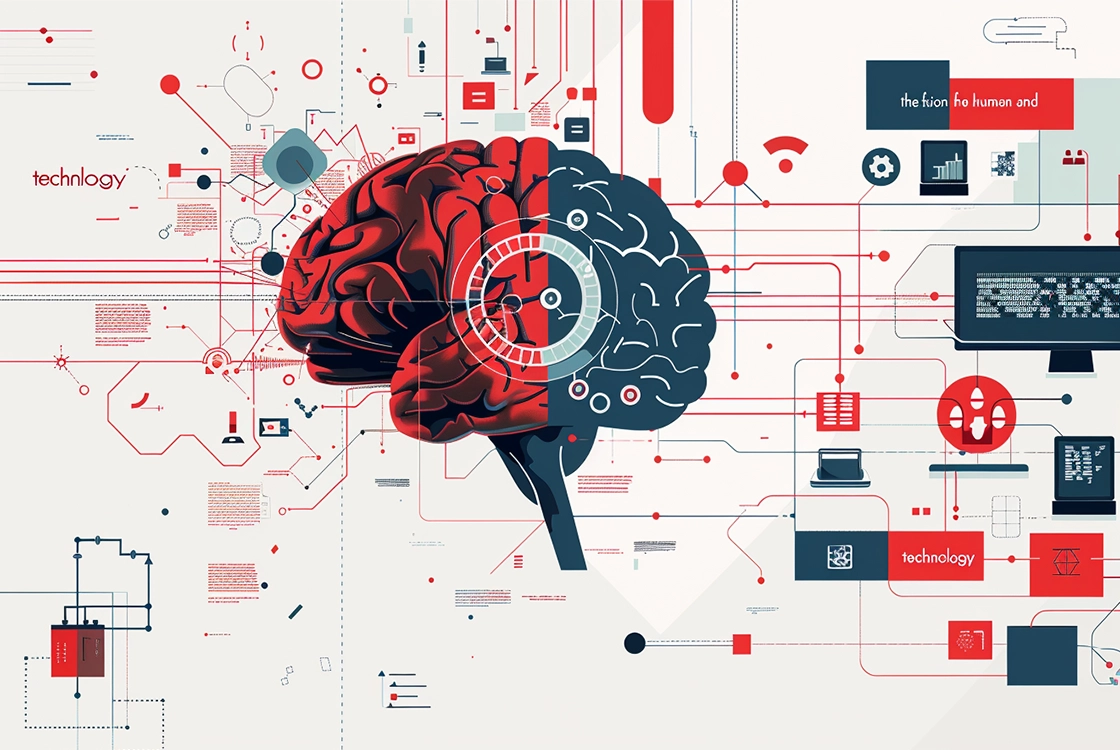
Artificial intelligence has the potential to amplify creativity. By handling routine tasks, AI frees up time for designers to focus on ideation and innovation.
It can also provide suggestions and recommendations that designers can use to refine and elevate their projects.
Benefits of AI for Creativity
- Automation of repetitive tasks: Frees designers to focus on creative work
- Idea generation and inspiration: AI can produce concepts and starting points for projects
- Workflow optimization: Improves efficiency, allowing more time for creativity
Challenges and Ethical Considerations
While AI offers many opportunities, it also raises important challenges and ethical questions. Automation may impact certain design roles, and AI-generated content brings up concerns around originality and authorship.
Key Challenges to Consider
- Automation and employment: Some design roles may be reduced or transformed
- Originality and authorship: Who owns AI-generated content?
- Ethical use: AI must be used responsibly, respecting the rights of designers and creators
Conclusion: AI as a Creative Partner
The future of graphic design is evolving rapidly, and AI is a central part of that evolution. While challenges exist, the opportunities to enhance creativity and efficiency are significant.
The key is not to compete with AI—but to collaborate with it, using it as a powerful creative partner.