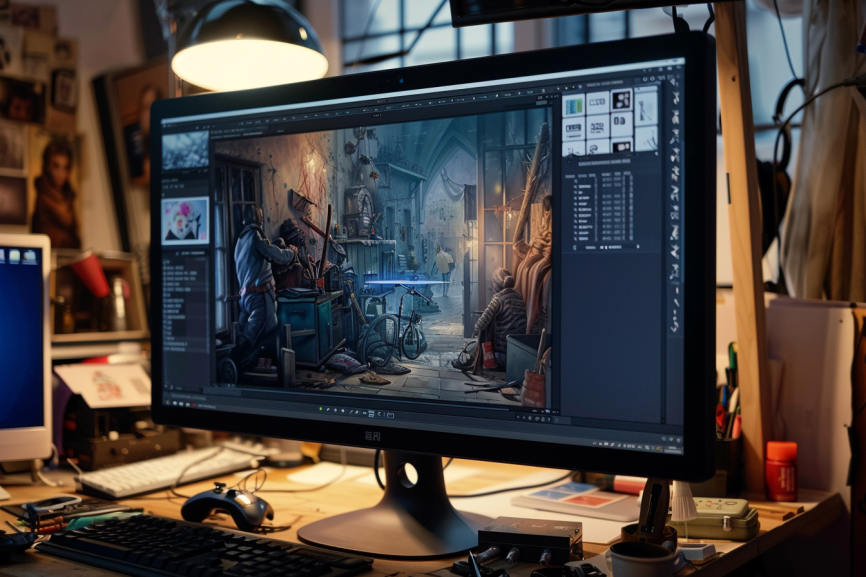
Graphic design in Colombia has undergone a profound transformation—from traditional manual techniques to digital tools that have revolutionized the industry. This shift has been driven by technology, globalization, and the growing demand for visually engaging and functional content.
1. The Beginnings of Traditional Graphic Design
During the 20th century, graphic design in Colombia was centered around print and traditional advertising. Publications, posters, and advertisements were created manually using techniques such as screen printing and lithography.
Key characteristics:
- Influence of folk art and European modernism
- Predominance of hand-drawn illustrations
- Focus on print materials such as newspapers and magazines
2. The Rise of Advertising Agencies
In the 1970s and 1980s, advertising agencies began to consolidate in Colombia, integrating graphic design as a key element of visual communication strategies.
Key milestones:
- Well-known brands like Postobón and Avianca adopted strong visual identities
- Increased professionalization of graphic design
- Introduction of brand guidelines to ensure visual consistency
3. The Digital Revolution in the 2000s
With the widespread use of computers and specialized software, graphic design in Colombia shifted toward digital processes. Tools like Photoshop and Illustrator enabled the creation of more sophisticated visuals, improving production speed and expanding creative possibilities.
Impact:
- Emergence of web design as a new market demand
- Expansion of graphic services
- Democratization of design through accessible tools
4. The Rise of Creativity in the Digital Era
Today, Colombian graphic design blends tradition with digital innovation. Designers have embraced trends such as digital branding, motion graphics, and UX/UI design to meet the needs of a digital-first world.
Current trends:
- Visual content for social media
- Personalized user experiences
- Use of artificial intelligence in design creation
Conclusion
The evolution of graphic design in Colombia reflects the industry’s ability to adapt to new technologies without losing its cultural essence. This transformation has enabled designers to compete globally, combining creativity and innovation to produce impactful visual solutions.