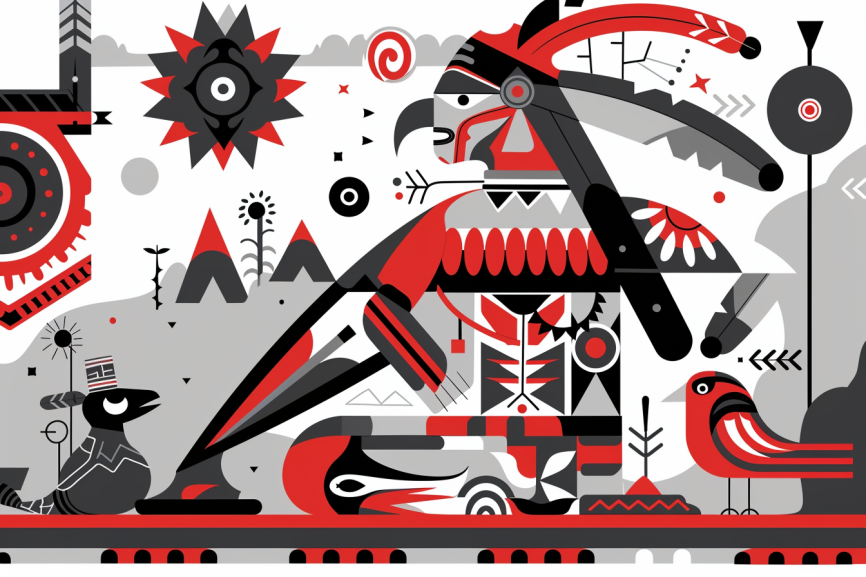
Graphic design plays a crucial role in shaping the cultural identity of brands in Colombia. This process involves integrating visual elements that reflect and celebrate the country’s rich cultural diversity, creating deep and meaningful connections with target audiences. Below, we explore how graphic design influences the cultural identity of Colombian brands and why it is so important.
1. Reflecting Cultural Diversity
Colombia is a country with vast cultural diversity, expressed through its traditions, music, gastronomy, and arts. Incorporating this diversity into a brand’s graphic design can create a more authentic and resonant identity. For example, the use of traditional colors, patterns, and symbols can evoke cultural heritage and emotionally connect with consumers.
2. Use of Cultural Icons and Symbols
Icons and symbols are powerful tools in graphic design that can convey deep meanings in a concise way. In Colombia, using specific cultural icons—such as the sombrero vueltiao or the mochila arhuaca—can help a brand stand out and be recognized for its connection to local culture. These elements not only enhance visual appeal but also tell stories and preserve cultural heritage.
3. Colors with Cultural Meaning
Colors carry meanings that vary across cultures. In Colombian graphic design, choosing a color palette that resonates with local audiences is essential. For instance, green may symbolize the country’s natural richness and biodiversity, while yellow can evoke feelings of joy and vitality, reflecting the nation’s vibrant spirit.
4. Cultural Narratives in Design
Graphic design can also tell cultural stories that connect more deeply with consumers. Through illustrations and visual compositions, designers can evoke narratives related to Colombia’s history, traditions, and values. This approach not only enriches the design but also educates and raises awareness about the country’s cultural richness.
5. Integration of Indigenous Art
Colombian indigenous art, with its unique forms and techniques, offers a rich source of inspiration for graphic design. Incorporating elements of this art can help preserve and celebrate indigenous cultures while adding authenticity and originality to brand design. It is essential to collaborate with indigenous artists and communities to avoid cultural appropriation and ensure authentic representation.
Success Stories in Colombia
Café Devoción
Café Devoción is a brand that has successfully integrated elements of Colombian culture into its graphic design. Its packaging and branding use colors and patterns that evoke the country’s biodiversity and cultural richness, creating an emotional connection with consumers and standing out in the premium coffee market.
Totto
Totto, a brand known for backpacks and accessories, uses icons and symbols that reflect urban life and Colombian youth culture. Its graphic design is modern and vibrant, resonating strongly with its young and active audience and reinforcing its identity as a culturally relevant and contemporary brand.
Conclusion
Graphic design is a powerful tool for building and strengthening the cultural identity of brands in Colombia. By reflecting cultural diversity, using meaningful symbols and colors, telling cultural stories, and collaborating with indigenous communities, brands can create authentic and resonant identities that deeply connect with consumers. This integration not only enhances brand perception but also promotes the appreciation and preservation of Colombia’s rich cultural heritage.