Graphic design can either build a strong brand—or make it look unprofessional. Many mistakes happen when there’s no visual strategy or when aesthetics are prioritized over the message.
In this article, we explore the most common graphic design mistakes and how to avoid them to project a cohesive, attractive, and professional image.
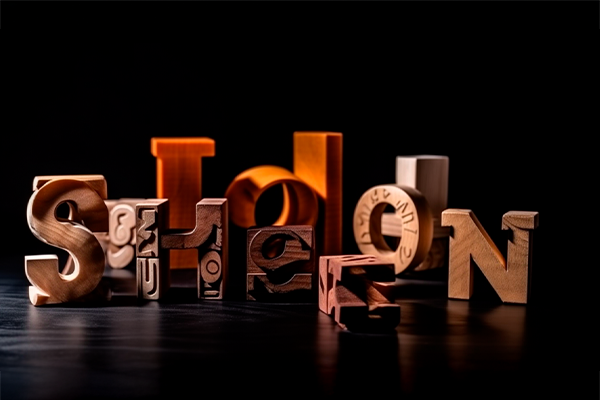
1. Using too many fonts
An excessive mix of typefaces creates visual clutter and inconsistency.
How to fix it:
- Use no more than two fonts
- Establish clear hierarchy through size and weight
- Maintain consistency across all channels
Example: A design combining serif, script, and sans-serif fonts can feel confusing and hard to read. It’s better to use one font for headings and another for body text.
2. Colors without strategy
Using colors based on intuition—without aligning them with your brand or emotional intent—weakens the overall impact.
Best practices:
- Define a brand color palette and stick to it
- Use contrast to highlight key information
- Consider color psychology based on your audience
Example: A logo combining red with neon green can feel visually aggressive and difficult to reproduce.
3. Overloading the design
Less is more. Too many icons, shapes, and effects can distract from the main message.
What to avoid:
- Adding decorative elements with no purpose
- Overusing shadows and gradients
- Designing without whitespace
Example: A business card overloaded with information won’t be remembered. A clean, focused design leaves a stronger impression.
4. Low-quality or inconsistent images
Images communicate as much as words. Using pixelated, poorly cropped, or inconsistent visuals creates distrust.
Solution:
- Use professional image libraries
- Maintain a consistent visual style (realistic, illustrated, minimalist, etc.)
- Optimize images for web and social media without losing quality
Example: If a luxury brand uses generic images, it loses credibility and authority.
5. Ignoring the final format
A design that doesn’t adapt to its medium can lose clarity and effectiveness.
Tips:
- Define whether the design is for print, web, or social media
- Adjust resolution and format from the beginning
- Test how it appears across different devices
Example: A social media image that isn’t properly centered may appear cropped in the Instagram feed.
Conclusion
Avoiding common graphic design mistakes allows a brand to communicate professionalism, clarity, and trust. Every visual detail matters, which is why each design should be intentional, consistent, and tailored to the right audience and platform.
Good design doesn’t just look good—it works.