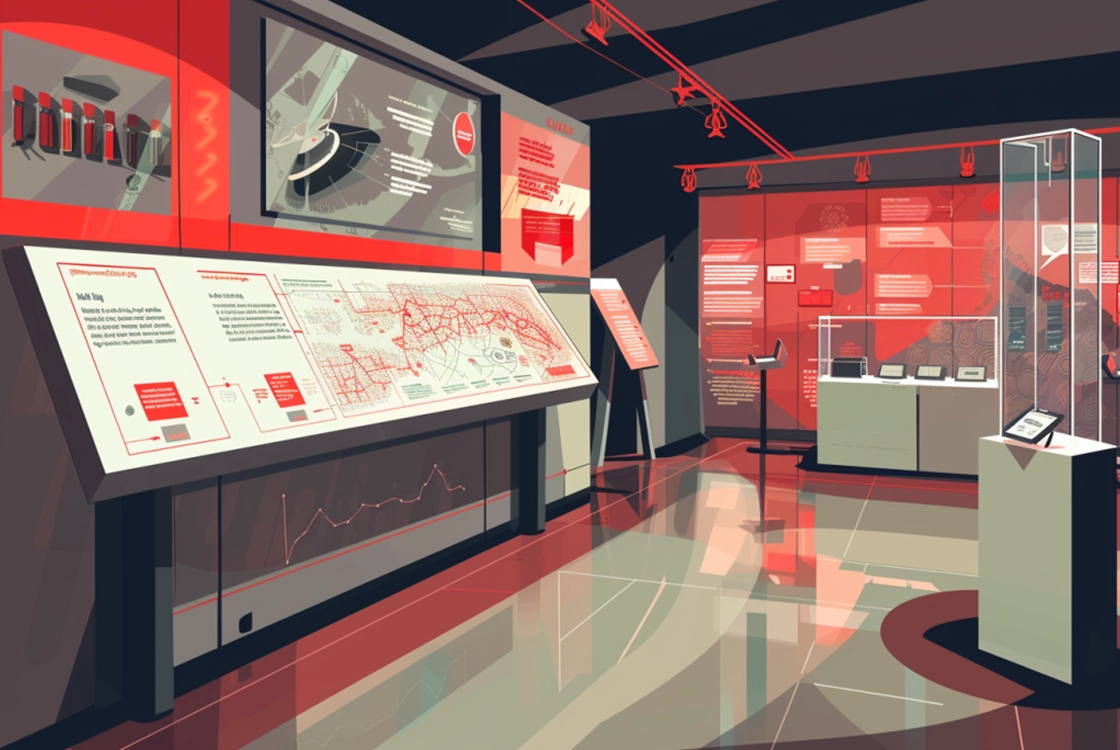
Hello art lovers and visual explorers! When we think of museums, we usually picture paintings, sculptures, and historical artifacts. But there’s an essential element that often goes unnoticed: graphic design. From signage to exhibition presentation, graphic design plays a crucial role in shaping the museum experience.
Let’s explore how design transforms these institutions and makes our visits more immersive and meaningful.
Signage and Navigation: The First Step of the Journey
Graphic design begins influencing our experience the moment we step into a museum. Signage acts as our guide—helping us navigate, orient ourselves, and find exhibitions with ease.
The best museums rely on clear, visually engaging, and consistent signage systems. Strategic use of color and typography enhances comprehension and ensures accessibility for all visitors.
Exhibition Design: Telling Stories Through Visuals
Once inside, graphic design becomes a visual storyteller. Informational panels, labels, and exhibition graphics provide context and meaning for each piece.
A well-structured and visually compelling design can transform a simple display into an immersive experience—where every element contributes to the narrative.
Infographics and Data Visualization: Making Complexity Accessible
Modern museums often present complex information, from historical data to scientific concepts. This is where graphic design truly excels.
Through infographics and data visualization, complex ideas become clear and engaging. A well-designed infographic can turn raw data into a compelling story that visitors can easily understand.
Branding and Experience: Beyond the Exhibition
Graphic design doesn’t just shape the in-museum experience—it also defines how the institution presents itself to the outside world. A strong, consistent brand identity creates a cohesive experience across all touchpoints.
From the logo to the website and promotional materials, design communicates the museum’s personality and values.
Interactivity and Technology: Design in the Digital World
Technology is transforming how we experience museums, and graphic design plays a key role in this evolution. Interactive exhibits and mobile applications enhance engagement and create dynamic experiences.
Visitors can scan QR codes for additional content or use augmented reality to see artworks come to life.
Graphic Design as the Bridge Between Art and Audience
In essence, graphic design is far more than a supporting element in museums—it is the bridge that connects art with its audience.
From navigation systems to exhibition storytelling and digital interaction, design shapes how we experience and understand art and history.