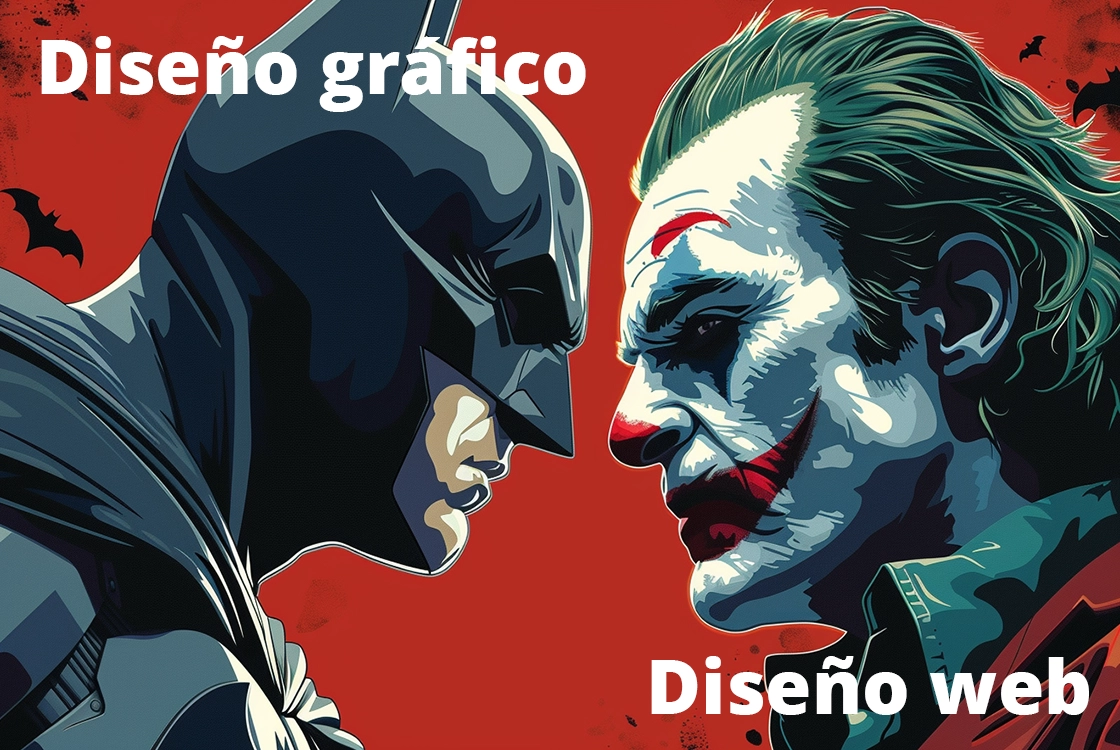
Hello, design lovers and web architects! Today we’re embarking on a journey to unravel the differences and similarities between two fascinating—and sometimes confusing—fields: graphic design and web design. If you’ve ever wondered why a graphic designer isn’t always a web designer (and vice versa), or if you’re simply exploring which creative path to follow, you’ve come to the right place. Get ready for an informative and entertaining journey through visual art in its various forms. Let’s dive in!
Graphic Design: The Essence of the Visual
Graphic design is, at its core, the ability to visually communicate a message or idea through the combination of text, images, and colors. Its realm spans from logos and branding to print publications like magazines, brochures, and posters. Here, aesthetics and the effectiveness of the message reign supreme.
Key characteristics:
• Static by nature: Once finalized, the design does not change.
• Focus on print: Although it also operates in the digital realm, it is traditionally geared toward print media.
• Tools like Photoshop and Illustrator: These are essential for bringing ideas to life.
Web Design: The Dynamics of the Digital Space
On the other hand, web design delves into the world of website creation and design. It’s not just about how a site looks, but how it works. Usability, user experience (UX), and adaptability to different devices (responsiveness) are fundamental pillars.
Key characteristics:
• Interactive and dynamic: Websites are designed for interaction and change.
• User experience-oriented: Navigability and accessibility are crucial.
• Tools like Adobe XD and Sketch: They facilitate interface design and web layout.
So, what are the main differences?
1. Medium and Purpose
While graphic design often results in a printed product or a static image for digital media, web design is inherently interactive, intended to be explored and used in a browser.
2. Techniques and tools
Graphic designers are masters of imagery and typography, using tools focused on creating graphics and visual compositions. Web designers, however, must balance visual appeal with functionality, drawing on knowledge of coding and interactive design.
3. Design Considerations
A graphic designer focuses on effective visual communication, taking into account aspects such as printing and physical finish. A web designer, on the other hand, must consider the user experience, loading speed, SEO, and responsiveness across different devices.
Two Sides of the Same Creative Coin
Although graphic design and web design may seem like worlds apart, they are actually complementary. Both require a deep understanding of how visual elements can be used to communicate and engage. In the digital age, the line between the two is becoming increasingly blurred, with designers crossing from one field to the other to create rich and cohesive visual experiences.
So, whether you’re an aspiring graphic designer fascinated by the beauty of print composition, or a future web designer passionate about creating interactive online experiences, remember: both paths offer the opportunity to leave your mark on the visual world. Explore, learn, and create without limits!
And remember, at the heart of both fields lies creativity and a passion for telling visual stories. May your creative journey be as diverse and enriching as the vast world of design!