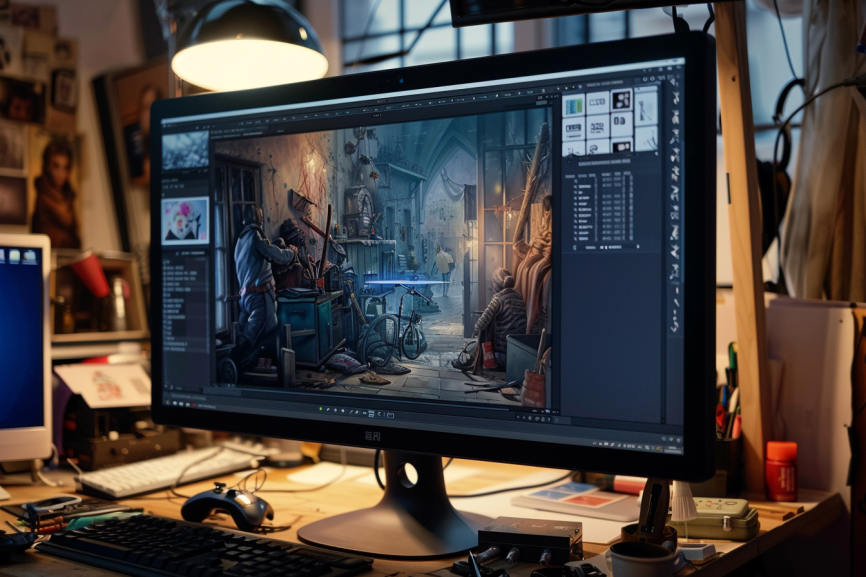
During the 20th century, graphic design in Colombia was strongly tied to handcrafted printing. Publications, posters, and advertisements were created manually using techniques such as lithography and screen printing. The influence of European modernism and Colombian folk art resulted in visually rich pieces filled with color and cultural symbolism.
1. Characteristics of Traditional Design in Colombia
- Influence from artistic movements such as modernism and pre-Columbian art.
- Use of hand-drawn illustrations and custom lettering.
- Dominance of techniques like engraving and screen printing.
Example: Posters for cultural festivals and local fairs that reflected the visual identity of each region.
2. The Emergence of Advertising Agencies
In the 1970s and 1980s, graphic design began to professionalize with the rise of advertising agencies that incorporated design as a key communication tool. Colombian companies such as Postobón, Avianca, and Banco de Bogotá adopted more structured visual identities, using modern typography and logos to strengthen their brand image.
Key aspects of this era:
- The birth of corporate branding with solid visual strategies.
- Greater presence of design in mass advertising campaigns.
- Use of standardized typography and brand guidelines.
Agencies played a fundamental role in consolidating a coherent visual identity for Colombian brands, contributing to the growth of the design industry.
3. The Digital Revolution in the 2000s
With the arrival of digital technology, graphic design in Colombia underwent a radical transformation. Access to computers and software such as Photoshop, Illustrator, and InDesign allowed designers to explore new techniques, improving both quality and production speed.
Impacts of digitalization:
- Automation of previously manual processes.
- New opportunities for self-publishing and independent design.
- Emergence of digital platforms such as websites and social media, requiring adaptable visual content.
Colombian designers began working with more advanced techniques, enabling them to compete in international markets.
4. The Rise of Creativity in the Digital Era
Today, Colombian graphic design exists at the intersection of tradition and digital innovation. Designers have embraced tools such as motion graphics, UX/UI design, and artificial intelligence to create solutions tailored to the digital age.
Current trends in Colombian graphic design:
- Digital branding: Visual identities that adapt across multiple platforms.
- UX/UI design: Intuitive interfaces for websites and mobile applications.
- Social media content: High-impact visuals for platforms like Instagram and TikTok.
Example: Colombian brands like Rappi have embraced innovative design, combining fresh visuals with strong brand storytelling.
Conclusion
The evolution of graphic design in Colombia has been defined by the transition from traditional techniques to advanced digital tools. This transformation has positioned the industry as a dynamic and constantly evolving sector. Today, Colombian designers blend creativity, technology, and cultural identity to deliver innovative visual solutions that continue to inspire new generations.