Visual architecture in web design is much more than layout.
It’s the structure that supports the user experience and ensures content is easy to navigate and engaging.
In a world where users demand speed, simplicity, and clarity, modern visual architecture has become essential for any website’s success.
In this article, we explore the design patterns shaping the web in 2025—and how to use them to improve UX and maximize conversions.
What is visual architecture in web design?
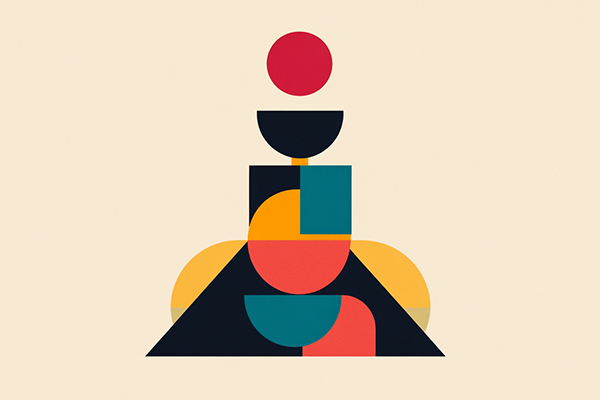
Visual architecture refers to how elements like text, images, buttons, and navigation are structured and organized on a page.
It ensures users can navigate intuitively, quickly, and effortlessly.
Great design isn’t just about aesthetics—it’s about functionality.
A strong visual structure improves usability, reduces bounce rates, and increases conversions.
Design patterns dominating 2025
1. Minimal and spacious design
Minimalism remains dominant—but now it’s functional minimalism.
- Strategic white space to let content breathe
- Simple, clean graphic elements
Benefits:
- Easier navigation with fewer distractions
- Better mobile performance
2. Single-page design
Scrolling replaces clicking.
- Smooth vertical flow
- Interactive transitions between sections
Benefits:
- Simpler user experience
- Stronger conversions with focused CTAs
3. Responsive and adaptive layouts
Mobile-first is no longer optional—it’s standard.
- Fluid layouts that adapt to any screen
- Prioritized content for smaller devices
Benefits:
- Better accessibility
- Higher retention and engagement
4. Large, readable typography
Typography is now a central design element.
- Clean sans-serif fonts
- Strong visual hierarchy
Benefits:
- Improved readability across devices
- More accessible for users with visual impairments
5. Microinteractions and subtle animations
Small movements = big impact.
- Immediate visual feedback
- Smooth, non-intrusive transitions
Benefits:
- More engaging experience
- Clearer interaction feedback
6. Modular design systems
Design in blocks—not pages.
- Reusable components
- Flexible layouts that scale easily
Benefits:
- Faster production
- Easier updates and scalability
Conclusion
Design in 2025 is about clarity, flexibility, and performance
Modern web design is no longer just about looking good.
It’s about being intuitive, fast, and adaptable across every device.
Minimalism, single-page flows, responsive systems, strong typography, and microinteractions are not trends—they’re standards shaping how brands exist online.
At Esbozo, we see visual architecture as more than structure.
It’s the foundation of a digital experience that feels natural, performs better, and leaves a lasting impression.