Web design continues to evolve every year, and 2025 is no exception. Leading brands are setting the standard with bold visual approaches, innovative technologies, and user-centered experiences. Understanding these trends is essential to keep your website modern, competitive, and relevant.
Here are the key trends already shaping the digital landscape this year:
1. Immersive design with microinteractions
Microinteractions enhance user experience by making navigation feel more natural and engaging. Subtle animations, scroll effects, and visual feedback to user actions help humanize interfaces and create emotional connection.
2. Expressive minimalism
Brands are embracing clean layouts with strong personality. Visual noise is reduced, but identity is amplified through bold typography, striking color palettes, and balanced compositions.
3. Large and experimental typography
Typography is taking center stage. Oversized, distorted, or animated type is being used as a primary visual element to reinforce brand messaging and create impact.
4. AI-powered design
From automated color palette generation to real-time content personalization, AI is transforming how websites are designed and experienced. Leading brands use AI to adapt interfaces based on user behavior.
5. Accessible and responsible design
Inclusivity is a priority. Designs are being created for all users, including those with visual, motor, or cognitive impairments. Responsible design also includes performance optimization and energy-efficient practices like dark mode and lightweight code.
6. Scrollytelling
Scrolling becomes a storytelling tool. As users move down the page, content unfolds through animations, transitions, and progressive visual narratives. Ideal for brand storytelling and immersive presentations.
7. 3D and advanced visual effects
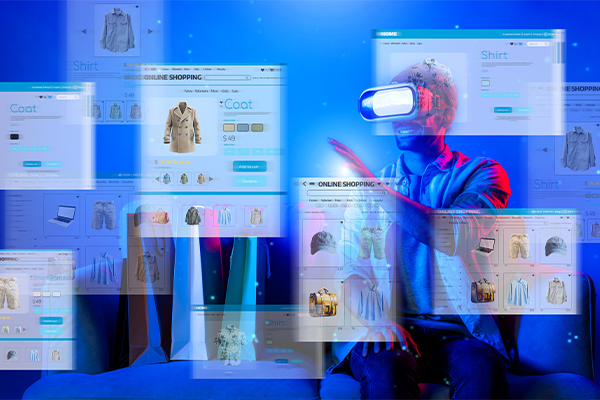
With technologies like WebGL and modern libraries, websites can now integrate 3D elements and realistic effects without significantly impacting performance—creating immersive experiences without extra hardware.
Conclusion
Web design in 2025 is where technology, creativity, and human-centered thinking converge. Brands that are already applying these trends stand out in an increasingly competitive digital space.
Adapting to these trends doesn’t mean losing your identity—it means evolving how you express it.