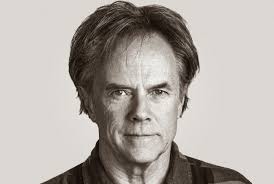
Pushing visual communication beyond legibility, David Carson embraced an artistic and emotional approach that redefined graphic design.
1. The Origins of the Grunge Style
Although he initially studied sociology, Carson found his true passion in graphic design. His career took off in the 1990s when he began working for magazines like Ray Gun, where he had the freedom to experiment with typography and visual composition. At a time when precision and clarity dominated design, Carson broke conventions by embracing chaotic layouts and unexpected visual combinations.
Early standout projects:
- Design work for Surfer Magazine, where he explored youth culture and alternative lifestyles.
- Art direction at Ray Gun, where he pushed his experimental style to its limits, redefining editorial design.
2. Characteristics of His Style
Carson’s approach is instantly recognizable for its unconventional use of typography, space, and imagery. His work did not follow traditional structures but instead relied on creative intuition, prioritizing emotion over functionality.
Distinctive elements:
- Illegible yet expressive typography: Carson layered letters, sizes, and styles in ways that challenged immediate readability.
- Distorted imagery: Manipulated, cropped, and textured photographs created a striking visual impact.
- Chaotic and asymmetrical compositions: His work embraced controlled disorder, where elements appeared random but served a precise aesthetic purpose.
3. Impact on Contemporary Design
Carson’s influence extended beyond editorial design into fashion, advertising, and pop culture. His work inspired brands and designers to adopt a more experimental and emotionally driven approach to visual communication.
Areas of impact:
- Advertising: Brands like Nike and Pepsi incorporated elements of his disruptive aesthetic into their campaigns.
- Fashion: His grunge style influenced branding within alternative and urban clothing brands.
- Visual culture: Carson helped establish graphic design as a form of artistic expression, not just a functional tool.
Conclusion
David Carson transformed how graphic design is perceived, proving that emotion and experimentation can be just as powerful as functionality. His legacy continues to inspire designers to challenge conventions and explore new forms of visual communication.