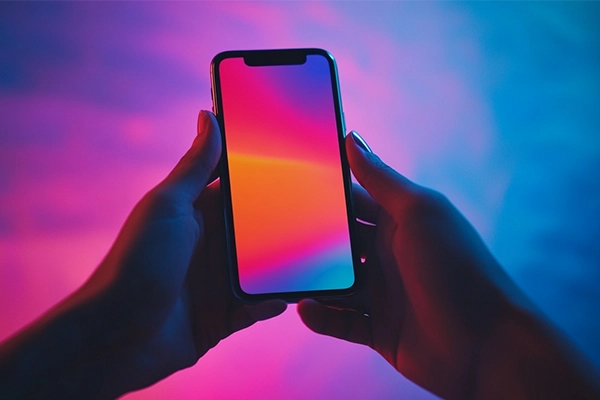
In a world saturated with information, brands need to go beyond functionality—they must connect emotionally. Emotional graphic design is a visual strategy that triggers feelings, builds connections, and creates lasting recall. This article explores why and how to apply this powerful approach to your branding.
What Is Emotional Graphic Design?
It’s an approach focused on evoking positive or memorable emotions through visual elements such as color, shape, illustration, composition, typography, and visual storytelling. It’s not just about aesthetics—it’s about designing with emotional intent.
Key Benefits of Emotional Design
- Higher engagement: emotions drive action, from a like to a purchase
- Stronger loyalty: people remember how a brand made them feel, beyond what it offered
- Clear differentiation: in saturated markets, emotion humanizes your brand and builds closeness
Principles of Emotional Design
- Visual empathy: design based on your audience’s values, needs, and context
- Visual storytelling: create narratives that connect with real experiences
- Purpose-driven aesthetics: every visual choice should carry emotional intent
- Sensory consistency: align color, sound, motion, and form to create a cohesive emotional experience
Effective Applications of Emotional Design
- Custom illustrations: evoke warmth, joy, and authenticity
- Nostalgic design: use past visual cues to trigger memory and belonging
- Smooth animations and transitions: communicate fluidity, calm, or modernity
- Friendly, human-centered iconography: enhances approachability, especially in apps and websites
Where Emotional Design Performs Best
- Social media (posts, stories, reels)
- Packaging (sensory product experience)
- Websites (visual experience and interaction)
- Corporate and advertising videos
- Brand presentations and proposals
Notable Examples
- Apple: blends clean design with emotions like desire, belonging, and simplicity
- Coca-Cola: consistently evokes joy, friendship, and celebration
- Airbnb: visually reinforces the idea of “feeling at home” through authentic imagery
Conclusion
Emotional graphic design goes beyond making things look good—it creates lasting connections. Brands that tap into positive emotions build loyal communities, improve conversions, and position themselves meaningfully in the market. Designing for emotion is designing to endure. It’s not about manipulation, but about communicating with empathy, purpose, and visual sensitivity.