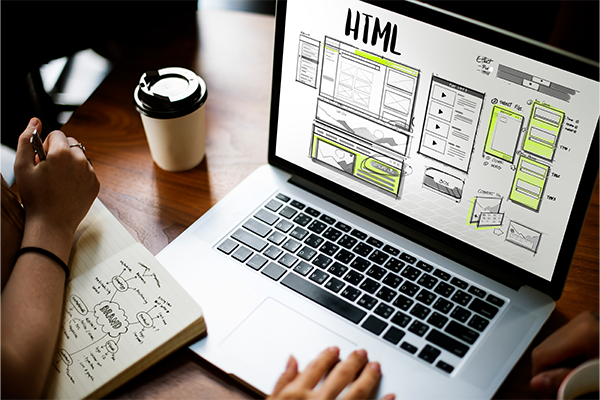
Modular composition has become one of the most effective strategies in contemporary graphic design, especially in digital environments and projects that require versatility. In a world where adaptability and fast iteration are key, designing with blocks or modules not only streamlines production but also enhances the visual experience.
What Is Modular Composition?
It is a design methodology that divides content into independent yet cohesive blocks, which can be reorganized, scaled, or adapted depending on the medium or context. Each module maintains a defined visual and functional structure, allowing complex pieces to be built from simple elements.
Key Benefits of Modular Design
- Scalability: Makes it easier to expand a project by adding new elements without disrupting visual consistency.
- Reusability: Modules can be used across different assets (web, social media, presentations) without redesigning from scratch.
- Editing efficiency: Ideal for teams working collaboratively or managing high volumes of content.
- Adaptability: Easily adjusts to different formats (desktop, mobile, print) without losing clarity or aesthetic quality.
Common Elements in a Modular System
- Grid system: An underlying structure that defines alignment and proportion across modules.
- Reusable components: Buttons, headers, info cards, text blocks, or image modules.
- Clear visual hierarchy: Each module should have its own focus without competing with others.
- Consistent spacing: Maintaining proportional spacing between modules creates visual harmony.
Real-World Applications of Modular Design
- Web design systems: Frameworks like Bootstrap and large-scale design systems are built on modular composition.
- Social media carousels: Each slide acts as a module while maintaining a cohesive visual narrative.
- Infographics: Breaking down complex data into modules improves clarity and impact.
Tips for Implementing Modular Composition in Your Projects
- Design modules with both independence and cohesion in mind.
- Establish a naming system for blocks and components.
- Use tools that support layers and components (Figma, Adobe XD).
- Test module flexibility by adapting them to different formats before publishing.
Conclusion
Modular composition is not just a trend—it’s an effective response to the challenges of modern digital design. It enables the creation of coherent, scalable visual systems ready to adapt to change. In an environment where agility matters as much as aesthetics, designing with smart modules is a competitive advantage you can’t afford to ignore.