Hello designers and color enthusiasts! Choosing the right color palette for a logo can be both challenging and exciting. Color has the power to evoke emotions, communicate messages, and define a brand’s identity.
If you’ve ever wondered how to select the perfect color palette for a logo, you’re in the right place. Let’s explore how color influences perception—and how to use it to create impactful designs.
The Meaning of Color: More Than Just Appearance
Every color carries meaning and triggers emotional responses. For example:
- Red: Evokes passion, energy, and action. It can also represent love and courage.
- Blue: Conveys calm, trust, and professionalism. Often associated with technology and leadership.
- Green: Represents nature, growth, and health. It can also symbolize sustainability and freshness.
- Yellow: Evokes happiness, optimism, and warmth. An energizing color that draws attention.
- Orange: Combines the energy of red and the warmth of yellow. Represents creativity and enthusiasm.
- Purple: Suggests luxury, elegance, and spirituality. It can also feel imaginative and inspiring.
Understanding color psychology helps you choose tones that align with the brand’s personality and values.
How to Choose the Ideal Color Palette
Step 1: Define the Brand Message
Before selecting colors, clarify the message you want to communicate. Is the brand modern and energetic, or elegant and professional? Defining the tone will guide your color choices.
Step 2: Research the Competition
Analyze competitor logos to avoid using overly similar color schemes. If most competitors use blue, consider differentiating your palette. However, stay within industry expectations to avoid confusing your audience.
Step 3: Experiment with Combinations
Once you understand the brand and its competitive landscape, start testing color combinations. Some classic approaches include:
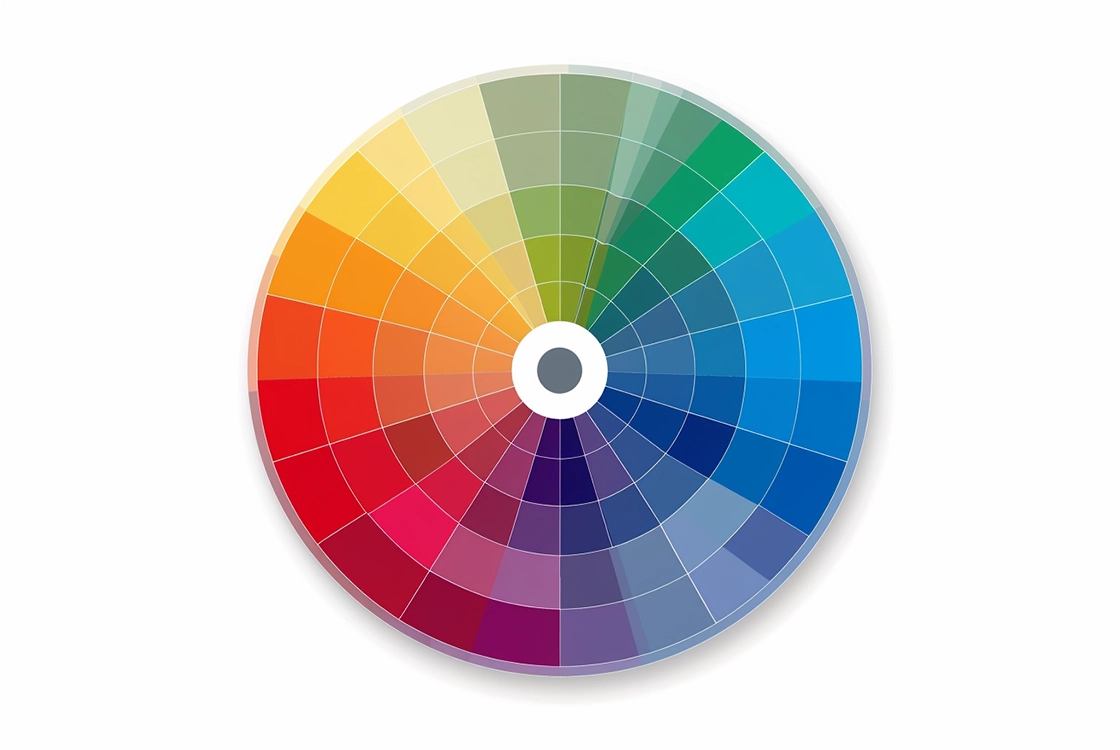
- Complementary colors: Opposites on the color wheel (e.g., blue and orange) create strong contrast.
- Analogous colors: Colors next to each other (e.g., blue and green) create harmony.
- Monochromatic: Variations of a single color for a subtle, elegant effect.
Step 4: Test and Ensure Adaptability
Make sure your color palette works across different contexts and sizes. Test the logo in black and white to ensure it remains legible without color. Also, check how it appears across devices and environments to guarantee versatility.
The Art of Color in Logo Design
Choosing the right color palette is both an art and a strategic decision. With the power of color, you can create logos that are not only visually appealing but also communicate the right message.
Remember—every color tells a story, and the right combination can make the difference between a logo that stands out and one that fades away.