Graphic design is a powerful tool that goes far beyond aesthetics—it directly influences how a brand is perceived. From the logo to marketing materials, every visual element contributes to the image consumers form about a brand. Well-executed design can communicate professionalism, trust, and quality, while inconsistent or poorly crafted visuals can damage a brand’s reputation and drive potential customers away.
The Importance of the Logo and Visual Identity
The logo is the cornerstone of a brand’s visual identity. It’s the graphic element consumers instantly associate with a company. A well-designed logo should be simple, memorable, and reflective of the brand’s values and personality. Color, shape, and typography all play a crucial role in its effectiveness. For example, bright colors and modern typefaces can convey innovation and energy, while more muted tones and classic fonts often communicate trust and tradition.
Consistency in Design Builds Trust
Consistency in graphic design is essential for building a strong and reliable brand identity. When visual elements—such as colors, typography, and overall style—are used consistently across all touchpoints, from business cards to social media, the brand becomes more recognizable and memorable. This consistency not only improves brand recall but also builds trust, as consumers value predictability and professionalism in the brands they choose to engage with.
The Emotional Impact of Design
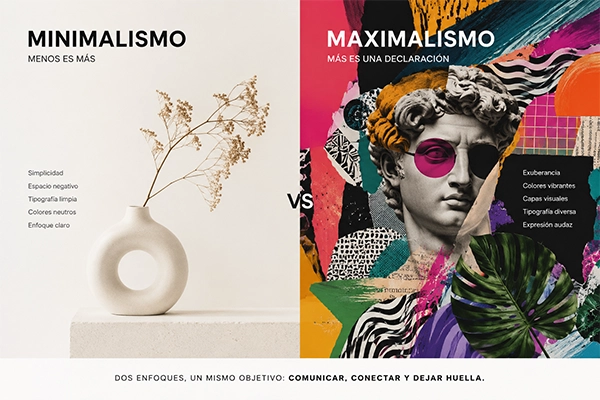
Graphic design has the power to evoke emotions and create meaningful connections with an audience. A thoughtful and visually appealing design can trigger feelings such as happiness, nostalgia, trust, or even urgency—depending on the campaign’s objectives. For instance, warm and friendly imagery can make a brand feel more approachable and human, while a clean, minimalist design can communicate luxury and exclusivity. These emotional responses often play a decisive role in purchasing decisions.
Adaptability and Evolution in Graphic Design
Graphic design must also be adaptable and evolve alongside the brand. As businesses grow and change, their visual identity may need adjustments to stay relevant and aligned with current trends. However, these changes should be subtle and preserve the brand’s core essence to avoid alienating existing customers. Design evolution should be seen as a continuous process that reinforces and strengthens brand perception, rather than completely redefining it.