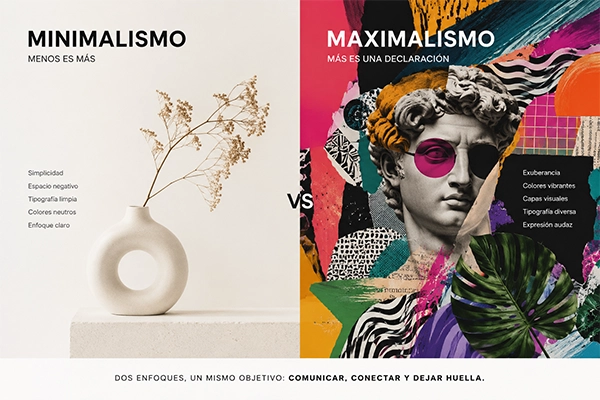
A visual identity manual is an essential tool for any brand that wants to maintain consistency across all communications. This document defines how the logo, colors, typography, graphic styles, and other visual elements should be used across every touchpoint. A well-structured manual ensures your brand stays strong and recognizable—no matter who applies it.
Why is a brand identity manual important?
Even the best design loses value if it’s used inconsistently. A brand manual allows internal teams and external partners to follow the same guidelines, helping build a professional, trustworthy, and recognizable brand.
It also prevents common mistakes such as:
- Distorting the logo
- Using incorrect colors
- Applying inconsistent typography
Core elements of a brand identity manual
Logo
Include versions, proportions, clear space rules, and correct vs. incorrect usage.
Color palette
Define CMYK, RGB, Pantone, and HEX values, along with usage examples.
Typography
Specify primary and secondary fonts, including hierarchy and usage rules.
Applications
Show how the brand should appear across materials like stationery, social media, presentations, and merchandise.
Iconography and illustrations
Establish a consistent visual style aligned with the brand.
Photography style
Provide guidelines for the type of imagery that represents the brand.
How to structure it from scratch
- Define your brand’s personality and core values
- Gather all existing visual assets
- Evaluate what needs refinement or redesign
- Develop clear rules and guidelines
- Build a structured, visual, and easy-to-use document
- Update the manual as the brand evolves
Best practices for implementation
- Train your team on how to use it
- Share it with all design and marketing partners
- Store it in an accessible format (interactive PDF or cloud folder)
- Include clear, real-world examples
- Assign ownership for updates and maintenance
Conclusion
A visual identity manual doesn’t just protect your brand—it streamlines processes, reduces errors, and reinforces professionalism at every touchpoint.
Creating one from scratch may seem like a big effort, but it’s a long-term investment that strengthens consistency, trust, and brand recognition across all channels.