Graphic design is no longer created in isolation or with standalone tools.
In 2025, workflows are powered by artificial intelligence (AI) and collaborative platforms that allow teams to design, review, edit, and publish in real time—from anywhere in the world.
The future is already here, and it lives in the cloud.
AI is no longer a novelty—it’s a creative, analytical, and strategic ally. And emerging tools are reshaping how we design, manage projects, and deliver value.
In this article, we break down the most powerful tools of the year for designers, focused on AI, collaborative efficiency, and connected workflows.
What does designing with AI and cloud collaboration mean?
It means using platforms that allow you to:
- Automate repetitive or mechanical tasks
- Generate intelligent visual variations
- Collaborate in real time with teams and clients
- Share, review, and approve designs without heavy file transfers
- Integrate live feedback
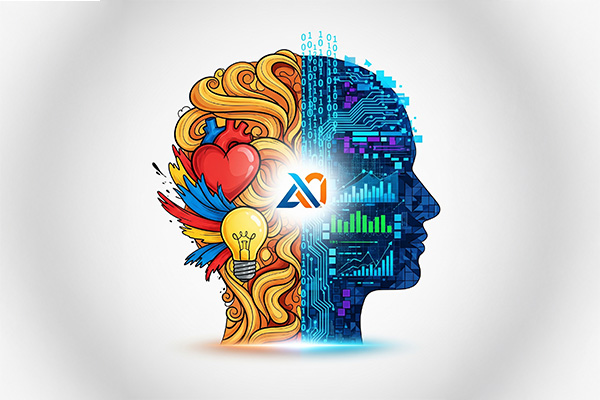
The combination of AI + cloud doesn’t replace designers—it amplifies them.
Key emerging tools in 2025
1. Figma + FigJam AI
Figma remains the leader in collaborative design, but in 2025 it goes further with AI:
- Layout auto-completion based on content
- Component recommendations based on design patterns
- FigJam integration for real-time brainstorming with automatic visual mapping
💡 At Esbozo, we use Figma across editorial, branding, and digital content to maintain consistency across teams.
2. Adobe Firefly 2.0
Adobe’s ecosystem now includes powerful AI generation tools:
- Instant mockup creation
- Smart object replacement in PSD files
- Background generation aligned with brand identity
🧠 Key advantage: trained on licensed content → reliability + quality.
3. Canva Magic Studio
Beyond its basic use, Canva now offers:
- AI-powered copywriting with adjustable tone
- Layout recommendations based on content type
- Instant brand kit creation
- Presentation and template generation
🎯 Ideal for non-design teams needing brand consistency.
4. Kittl AI
Focused on illustration, branding, and lettering:
- AI-driven composition and typography suggestions
- Collaborative asset libraries
- Print-on-demand integrations
✍️ Especially useful for merch, packaging, and product-based design.
5. Uizard & Penpot
For frictionless UI/UX and prototyping:
- Uizard: turns sketches into functional interfaces
- Penpot: open-source, web-based, collaborative design system
🌐 Both enable fast testing without relying on developers.
Complementary trends in 2025 tools
- Voice-based design assistants (in testing across platforms)
- Auto-branding tools (Looka, Brandmark) → useful as starting points
- Predictive visual analysis tools (EyeQuant, Attention Insight)
Real advantages of adopting these tools
- Time savings on repetitive tasks
- More mental space for creative thinking
- Smooth remote workflows
- Instant collaboration with teams and clients
- Faster, frictionless delivery
🚀 Most importantly: they help maintain quality under high demand.
Key considerations
- Don’t delegate strategy to AI → thinking is still human
- Validate aesthetics and functionality
- Respect licensing when generating assets
- Educate clients on what AI does—and what it doesn’t
💬 At Esbozo, we’re clear about this: AI isn’t magic. It’s a tool used with creative and ethical judgment.
Conclusion
Designing today is about integrating, deciding, and evolving
The graphic designer of 2025 isn’t the one who does everything—
it’s the one who knows how to orchestrate tools, ideas, and collaboration intelligently.
At Esbozo, we work this way: connected, open to innovation, but grounded in methodology and trained vision.
Because the best design isn’t the fastest—
it’s the one that solves, communicates, and resonates… even if it comes from the cloud.