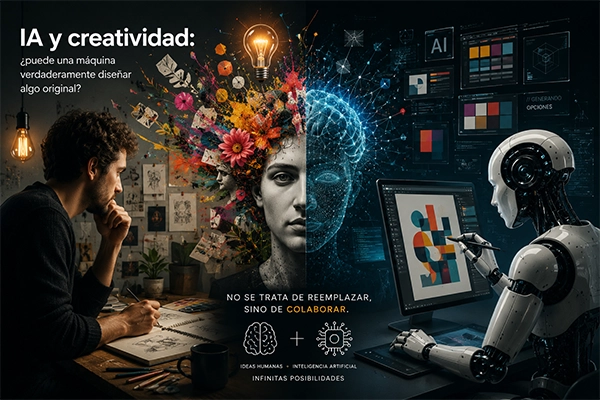
Artificial intelligence (AI) is transforming nearly every aspect of design, and branding is no exception. In a world where brands strive to stand out from the competition and emotionally connect with their audiences, AI emerges as a powerful tool to optimize and enhance the process of creating visual identity. However, despite technological advancements, the human element remains essential to ensure branding is authentic, meaningful, and—most importantly—emotionally resonant.
In this article, we explore how to combine human strategy with intelligent AI-driven generation to create unique and effective branding. We’ll also examine the opportunities and limitations of AI in brand design, and how to leverage this technology to strengthen branding strategies.
What Is Branding and How Can AI Help?
Branding is the process of building a unique identity for a brand. It involves creating values, messaging, symbols, and experiences that make it recognizable and memorable. Through branding, companies establish an emotional connection with their audience, directly influencing how consumers perceive the brand.
AI has been integrated into branding to support various aspects of the design process, such as:
- Logo generation: Creating visual concepts for a brand’s logo through algorithms.
- Color palette selection: AI tools that suggest color combinations based on trends, emotions, or brand values.
- Typography and fonts: AI systems that generate or recommend font pairings aligned with a brand’s personality.
- Audience data analysis: Using AI to better understand target audiences and adjust branding based on their preferences.
Benefits of Integrating AI into the Branding Process
1. Faster Creative Processes
One of the main advantages of integrating AI into branding is speed. AI-powered tools can generate thousands of logo variations or propose multiple color combinations in minutes, accelerating the creative workflow.
Example: Platforms like Looka and Hatchful allow designers and entrepreneurs to generate logos based on their vision without starting from scratch.
2. Personalized Brand Experiences
AI can analyze consumer data to help personalize brand experiences. By understanding audience interests and behaviors, brands can adjust their branding strategies to better resonate with specific segments.
Example: Platforms like Adobe Sensei use AI to analyze user behavior patterns and suggest branding adjustments that may increase emotional connection.
3. Visual Identity Optimization
AI can optimize a brand’s visual identity by evaluating which elements resonate best with a specific audience. These tools analyze color preferences, typography, and other graphic elements to reinforce brand personality and ensure consistency across platforms.
Example: Brandmark.io uses AI to generate cohesive visual identities that reflect a brand’s essence in just minutes.
4. Expanded Creativity and Innovation
AI can inspire creativity by offering suggestions and combinations that human designers might not consider. Generative tools like DeepArt can create artistic visuals from text descriptions, expanding creative possibilities in branding.
Limitations of AI in Branding
1. Lack of Intuition and Emotion
While AI can produce visually effective designs, it lacks human intuition. Emotions and cultural nuances are essential elements of branding that AI still cannot fully capture.
Example: An AI-generated logo may look visually appealing, but it may lack the emotional story that a human designer can embed into it.
2. Limited Deep Personalization
Although AI can personalize certain aspects of branding based on data, it cannot fully understand the human context behind a brand. Deep personalization—especially emotional connection—is something only human designers can truly achieve.
3. Risk of Homogenization
Over-reliance on AI tools can lead to design homogenization. If many designers use the same tools and follow similar recommendations, results may become generic, affecting brand uniqueness.
Example: If multiple brands adopt the same AI-suggested color palettes, the market may become visually repetitive.
How to Combine Human Strategy with AI for Unique Branding
1. Define Brand Values First
While AI can provide valuable suggestions, branding strategy must be grounded in the brand’s values, mission, and vision. Human designers should lead the strategic process, using AI as a complementary tool to refine and enhance visual design.
2. Use AI for Inspiration, Not as the Final Solution
AI should be seen as a source of inspiration within the branding process. Designers can use AI-generated ideas to explore possibilities, but the final human touch is what makes branding truly authentic.
3. Run A/B Tests to Refine Branding
Use AI to generate variations of visual elements (colors, logos, typography) and run A/B tests to determine what resonates most with your audience. Combining AI-driven data analysis with design strategy can effectively optimize a brand’s visual identity.
Conclusion
AI in branding is a powerful tool that enhances efficiency and streamlines creative processes. However, human intuition remains indispensable for capturing a brand’s unique essence and building genuine emotional connections.
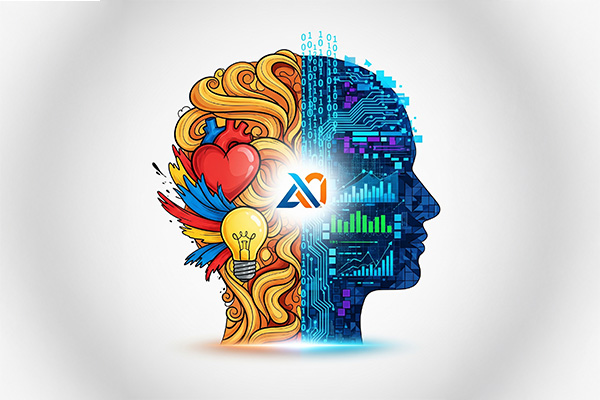
The future of branding lies in the combination of human strategy and intelligent AI generation—where both elements work together to create brands that are visually impactful and emotionally meaningful.