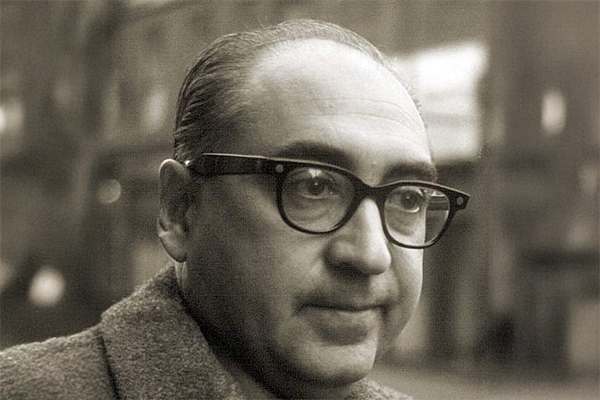
Neville Brody is a key figure in the evolution of modern graphic design. His work in typography, editorial design, and visual identity broke established rules, challenging traditional structures with a bold and rebellious approach.
As an influential designer during the punk and New Wave era, Brody redefined how typography and visual composition are perceived. In this article, we explore his career, contributions to type design, and his impact on branding and media.
The beginnings of Neville Brody in graphic design
Born in 1957 in London, Brody studied graphic design at the London College of Printing, where he became frustrated with the rigidity of modernism and traditional design structures.
Early steps in his career:
- Drew inspiration from punk music and the New Wave movement, adopting a disruptive aesthetic
- Experimented with custom typography and unconventional compositions
- Worked on album covers and posters for London’s underground scene
Example: While many designers followed strict rules, Brody broke away from symmetry and perfection, creating raw and expressive compositions.
His editorial design revolution: The Face
Neville Brody gained major recognition as the art director of The Face magazine (1981–1986), one of the most influential publications in fashion, culture, and music at the time.
Editorial design innovations:
- Introduced experimental typography and unconventional layouts
- Blended text and imagery in dynamic ways, breaking the traditional grid
- Used vibrant colors, distortion effects, and abstract elements
Impact on magazine design:
- The Face redefined editorial design in the 1980s
- Inspired publications like i-D, Blitz, and Ray Gun
- Influenced contemporary editorial design and typographic trends
Example: Today’s fashion and youth culture magazines still use techniques pioneered by Brody, such as layering text over imagery in disruptive ways.
Typography innovation and custom type design
One of Brody’s most significant contributions was his work in type design, creating innovative fonts that challenged traditional standards.
Disruptive typefaces:
- Developed geometric, irregular, and distorted fonts
- Experimented with abstract shapes and fragmented letterforms
- Created iconic typefaces such as Insignia, Blur, and FF Pop
Impact on branding and digital design:
- Influenced the development of digital typography for web and branding
- Collaborated with FontShop to create typefaces that remain industry references
Example: Brody’s typography helped shape modern digital design, opening new possibilities for visual expression.
Visual identity for global brands
Beyond typography and editorial design, Brody has created visual identities for major global brands.
Notable projects:
- BBC: Redesigned visual identity for broadcast and digital platforms
- Coca-Cola: Developed custom typographic campaigns
- Nike and Samsung: Created branding elements and visual systems
Key principles in his identity design:
- Typography as a central branding element
- Bold, asymmetrical compositions
- Use of abstract forms and geometric structures
Example: Brody’s approach influenced contemporary branding, where typography plays as significant a role as the logo itself.
Legacy in the digital era and design education
Brody’s influence extends beyond design into education and the evolution of digital practices.
Impact on the industry:
- Director at the Royal College of Art, promoting experimental and disruptive design
- Contributor to the development of digital tools and type systems
- Continues to explore the intersection of AI and typography
Example in the digital era:
- Applied his vision to web interfaces and interactive experiences
- Influenced digital branding and social media design
Example: The widespread use of custom typography in UI/UX and branding can be traced back to Brody’s experimental work in the 80s and 90s.
Conclusion
Neville Brody transformed how graphic design approaches typography and visual composition. From his early work in the punk scene to his contributions to global branding, his legacy continues to influence designers worldwide.
His bold, disruptive, and experimental mindset proves that design is not just about communication—it’s a powerful tool to challenge norms, create impact, and connect with audiences in new ways.