Artificial intelligence is reshaping the way we work and create—and graphic design is no exception. From tools that automate repetitive tasks to software capable of generating images autonomously, AI is revolutionizing the field in exciting and sometimes unexpected ways.
If you want to understand how AI is transforming graphic design and what it means for the future of creativity, you’re in the right place. Let’s explore its impact and how you can leverage these technologies.
Automation of Repetitive Tasks
One of the biggest advantages of AI in graphic design is its ability to automate repetitive and time-consuming tasks. Tools like Adobe Sensei and Canva Pro use AI to streamline processes such as image cropping, color adjustments, and error correction.
This allows designers to focus on more creative and strategic aspects of their work.
Examples of AI automation:
- Image cropping: AI tools can automatically detect and crop subjects with precision
- Color adjustment: Algorithms can optimize color harmony automatically
- Photo retouching: AI can enhance images, remove imperfections, and improve visual quality
Creative Content Generation
AI is also advancing rapidly in generating creative content. Tools like DALL·E and Midjourney can create images from text descriptions, opening new possibilities for visual creation.
Designers can use these tools for inspiration—or to generate unique assets for their projects.
Examples of AI-generated content:
- Image creation: AI generates visuals based on descriptions or concepts
- Graphic elements: AI can create icons, backgrounds, and other visual assets
- Digital art generation: Some tools produce complete artworks in specific styles
Improved Efficiency and Productivity
AI significantly enhances efficiency and productivity. With tools that analyze data and suggest improvements, designers can make more informed decisions and optimize their workflows.
This means less time spent on repetitive tasks—and more time dedicated to creativity.
Examples of efficiency improvements:
- Data analysis: AI evaluates design performance and suggests optimizations
- Process automation: AI can automate tasks like generating design variations
- Error reduction: AI identifies and corrects issues before final output
Generative Design and AI Collaboration
Generative design is an emerging field where AI plays a key role. Algorithms can automatically generate designs based on rules and parameters defined by the designer.
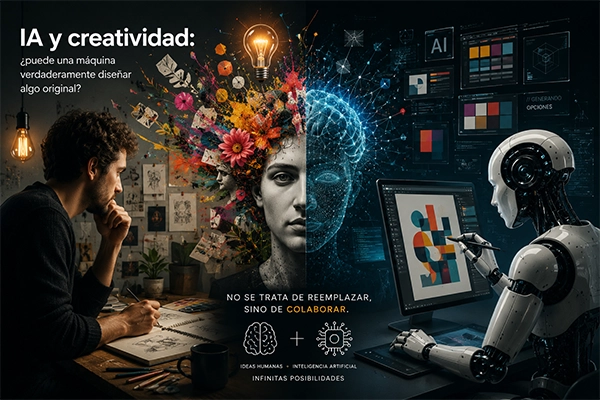
This creates a collaborative dynamic between human creativity and machine intelligence—where AI proposes options and the designer curates the best ones.
Examples of generative design:
- Logo generation: AI creates multiple logo concepts based on defined criteria
- Spatial design: AI generates layouts for physical or digital environments
- Design variations: AI produces multiple versions for selection and refinement
The Future of Graphic Design with AI
Artificial intelligence is transforming graphic design in powerful ways—enhancing both efficiency and creativity. From automating repetitive tasks to generating original content and enabling generative design, AI is unlocking new possibilities for designers.
The future of design is not about replacing creativity—it’s about amplifying it.