Visual content is the dominant language on social media. With millions of posts competing for attention every day, graphic design has become a key factor in standing out.
It’s not just about making something look good—it’s about communicating clearly, creating an emotional connection, and guiding users toward action. In this article, we’ll show you how to use graphic design effectively on social media.
1. Design with a clear goal
Every visual piece should serve a purpose: inform, entertain, drive clicks, or reinforce your brand. Define that goal before you start.
Examples of goals:
- Promote a product
- Reinforce a brand message or value
- Encourage a specific action like “download” or “comment”
Example: A marketing tips infographic performs better when it’s clear, direct, and visually aligned with the brand identity.
2. Stay consistent with your brand identity
Always use your brand’s defined color palette, typography, and visual style. This builds consistency and recognition over time.
Key elements to maintain:
- Logo
- Brand colors
- Illustration or photography style
Example: Brands like Duolingo or NotCo are instantly recognizable because they maintain a consistent visual style across all their posts.
3. Optimize your design for each platform
Each social platform has its own formats, audiences, and behaviors. Adapt your design to the channel.
Formats by platform:
- Instagram: square images or vertical reels
- Facebook: carousels and horizontal images
- LinkedIn: more professional and minimal design
Example: The same ad can be redesigned in vertical format for Stories and horizontal format for Facebook ads, while keeping the same message and visual identity.
4. Use typography to create impact
Choose fonts that are readable, strong, and aligned with your brand tone. Use no more than two typefaces per design, and play with size and weight to create hierarchy.
Best practices:
- Highlight the key message with larger text
- Use contrast (color or weight) to guide attention
- Avoid overly decorative fonts
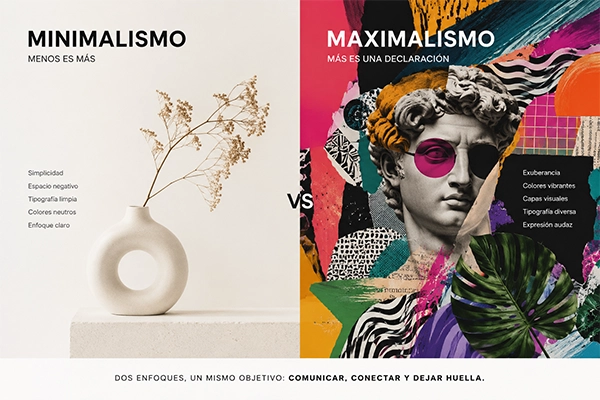
Example: A bold statement on a clean background can have more impact than a design overloaded with elements.
Conclusion
Social media graphic design isn’t just about aesthetics—it’s about visual strategy. When you combine identity, clarity, and adaptability, you create content that truly connects with your audience.
In a space where attention spans are short, good design can be the difference between being ignored and being remembered.