In a fragmented digital ecosystem—where brands must exist across social media, websites, print, packaging, and more—maintaining visual consistency is essential to building a strong and recognizable identity. But how do you adapt that identity to each platform without losing its essence?
In this article, we explore key strategies to do it effectively.
The importance of visual consistency
Consistency communicates professionalism, builds trust, and strengthens brand recall. When your logo, colors, typography, and visual style remain consistent across all channels, your message becomes more powerful and your brand more memorable.
Key principles to adapt without losing consistency
1. Create a detailed brand guidelines document
Include logo variations, color palettes, typography, photography style, iconography, and examples of correct and incorrect usage. This document ensures that any designer or team maintains a unified visual direction.
2. Use adaptable logo versions
Prepare variations of your logo for different formats—square, circular, dark backgrounds, or small sizes. Each platform has its own structure and requirements.
3. Adapt content to each platform without losing style
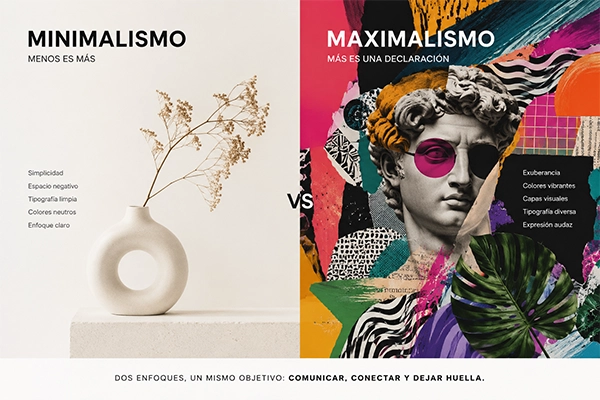
On Instagram, you might use bold, eye-catching typography, while in corporate documents you may opt for a more restrained approach. The key is to maintain the same visual essence.
4. Apply consistent visual hierarchy principles
Use the same logic for organizing content—size, color, and weight—to guide users across all platforms, from brochures to landing pages.
5. Maintain a consistent emotional tone
Your visual identity also communicates emotion. Keeping a consistent emotional tone across different environments strengthens brand perception.
Tools to streamline adaptation
- Canva Pro / Adobe Express: Great for quickly adapting formats
- Figma: Ideal for maintaining consistency across digital designs
- Mockups and adaptable templates: Speed up implementation
Conclusion
Adapting your visual identity across platforms doesn’t mean redesigning it every time—it means interpreting its core elements with intelligence and flexibility.
A consistent brand is one that’s instantly recognizable, no matter the format. Investing in visual adaptability is investing in positioning and memorability.