In the competitive world of e-commerce, visual design is not decoration—it’s a strategic tool that directly impacts conversion rates, time on site, and customer loyalty. As user experience becomes more sophisticated, brands that invest in visually appealing, functional, and emotionally engaging design are the ones leading the market. This article explores the visual trends in e-commerce that are already delivering results and will shape the years ahead.
Visual Trends Driving Results in E-commerce
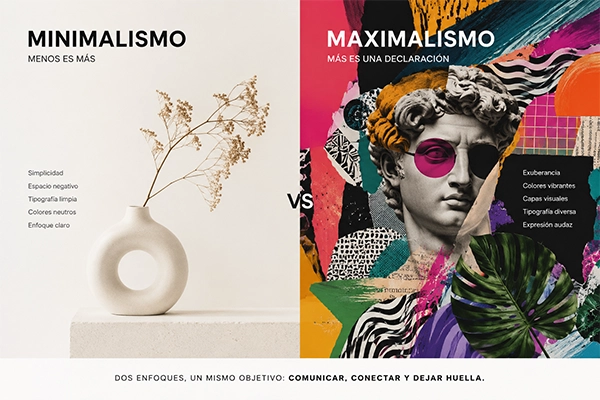
Functional minimalism: “Less is more” still dominates, but now with an even stronger focus on the shopping experience. Clean interfaces, generous spacing, and precise interactive elements make navigation easier.
Product videos and micro-animations: Showing how a product works or looks in motion improves understanding and reduces uncertainty. Micro-animations also enhance interactivity without overwhelming the site.
User-based personalized design: Platforms like Shopify and Magento already allow visuals, recommendations, and banners to be tailored based on user behavior and browsing history.
Immersive visuals and augmented reality: The ability to see a piece of furniture in your living room or virtually try on glasses increases purchase confidence.
Bold typography and clear hierarchy: Readability is key. Large headlines, intentional font weights, and strong contrast ensure the message is delivered quickly and clearly.
Dark mode: Ideal for nighttime users or low-light environments, it improves readability while adding a modern aesthetic.
Emotional color palettes and brand-driven color systems: Brands are leaning into color palettes that evoke specific feelings—calm, energy, exclusivity, or sustainability—aligned with their value proposition.
True mobile-first design: It’s no longer enough for a site to be responsive. It must be designed with mobile as the primary experience, featuring accessible CTAs, simplified menus, and thumb-friendly navigation.
Visual storytelling and interactive experiences: E-commerce no longer just sells products—it tells stories. Modern design focuses on visual narratives that immerse users.
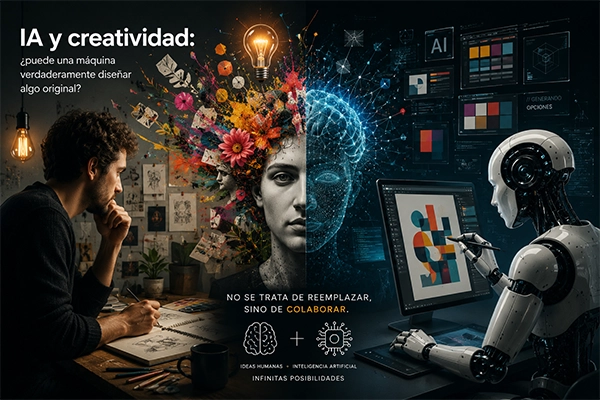
Artificial intelligence integration: From product recommendations to AI-generated designs for banners and personalized promotions.
Best Practices from Leading Brands
Nike: Uses subtle animations and a personalized experience based on user behavior.
Glossier: Leverages a clean, emotionally driven aesthetic that connects with its community.
Apple: Delivers visual perfection paired with intuitive navigation and exceptional product storytelling.
Conclusion
Visual design in e-commerce is not just an aesthetic choice—it’s a strategic one. Brands that invest in impactful, user-centered digital experiences don’t just sell more—they build lasting relationships. Adopting these trends means preparing to compete in an environment where attention spans are short, but perceived value is everything.