In the digital age, a brand is no longer defined solely by its logo or website, but by what it communicates daily on social media. Every post, story, and reel becomes an opportunity to either build or break a brand’s visual identity.
That’s why today, more than ever, graphic design for social media is not about aesthetics—it’s about visual, emotional, and strategic consistency. In this article, we explore how to design a strong social media identity that achieves instant recognition and real audience connection.
1. Social Media as the Brand’s Visual Stage
Social media is the digital storefront where brands live and breathe.
It’s no longer enough to have a good profile picture or a visually pleasing feed; what truly matters is conveying a consistent visual identity that reflects the brand’s purpose across every format and platform.
The goal is not to look good—it’s to be recognizable.
Users should be able to identify your content without even reading your name. That’s the ultimate test of visual consistency.
2. Visual Consistency: The Foundation of Social Branding
A consistent visual identity doesn’t happen by chance. It’s built through recognizable patterns that are intentionally repeated:
colors, typography, framing, iconography, and emotional tone.
Key elements of consistency:
- Color palette: brand colors must remain consistent across all assets
- Typography: maintain a clear visual hierarchy (fonts, sizes, spacing)
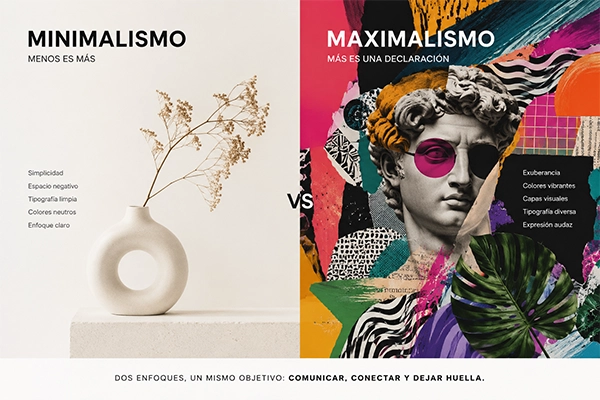
- Photography style: define whether visuals are warm, minimal, documentary, or conceptual
- Texture and form: frames, shadows, cutouts, and backgrounds should speak the same visual language
Consistency doesn’t limit creativity—it amplifies it.
It allows the audience to associate each piece of content with a clear and professional identity.
3. The Power of Visual Emotion
The content that connects the most isn’t the most perfect—it’s the most emotionally authentic.
That’s why visual identity must go beyond color and form—it must evoke feeling.
Example:
An educational brand might use soft tones, friendly typography, and real faces to inspire trust and approachability.
A tech brand might lean into high-contrast colors, dark backgrounds, and fluid motion to project innovation and energy.
Emotional design turns every post into a sensory experience.
It’s not about decorating—it’s about communicating with intention.
4. Vertical Format: The Designer’s New Canvas
Social platforms have shifted to vertical formats: Reels, TikToks, Shorts, and Stories dominate user attention.
This has forced designers to think in terms of motion storytelling and dynamic visual hierarchy.
Keys to effective vertical design:
- Design with the thumb in mind: the main action should be centered or in the lower third
- Use short, readable text within the first three seconds
- Combine color, rhythm, and typography to guide the eye
- Adapt branding to motion: coherent transitions, smooth effects, and natural animations
Social media design is no longer static—it’s kinetic, intuitive, and sensory.
5. Microbranding: Flexible Identity Across Formats
On social media, a brand needs micro versions of its identity.
It’s not about placing the logo on every post, but translating its essence into each format: carousel, reel, story, or banner.
Example:
A brand with a clean, minimal identity might use neutral tones and generous spacing in carousels, while incorporating subtle animations in reels to maintain consistency through a different visual language.
The key is to stay recognizable without becoming repetitive.
Flexibility is the new consistency.
6. Visual Storytelling as a Connection Strategy
Social media isn’t consumed like a catalog—it’s experienced as a story.
Each post should feel like a fragment of a larger narrative.
Emotional structure of a feed:
- Attraction: visuals that stop the scroll
- Connection: content that reflects values, emotions, or aspirations
- Conversion: visual pieces with clear CTAs aligned with the brand’s tone
A feed that tells a story invites users to stay, explore, and engage.
Design becomes a narrative tool.
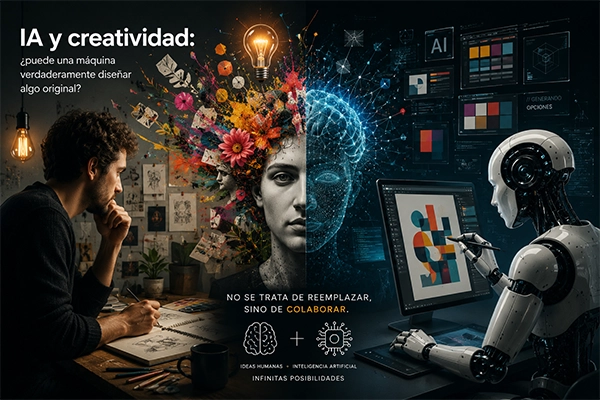
7. AI and Social Media Design: The Future of Visual Personalization
Artificial intelligence tools are reshaping how we design for social media. From generating visual patterns to creating personalized content, AI increases speed without necessarily sacrificing identity.
However, the real difference remains human:
AI can generate—but only designers can bring coherence, judgment, and emotion.
Conclusion: Design to Be Remembered, Not Just Seen
Social media design isn’t about filling a feed with beautiful visuals—it’s about building a living visual identity that breathes consistency, emotion, and strategy.
Every post should have a purpose, and every color should tell a story.
At Esbozo, we believe brands are not built by accident.
They are designed with vision, consistency, and soul. Because on social media, the difference between being seen and being remembered lies in how you make people feel.